Strategic Home Improvements for the Dedicated Car Enthusiast

For the true automotive aficionado, a vehicle is far more than a simple tool for transportation. It is a masterpiece of engineering, a vessel for memories, and a significant financial investment. As a collection grows or a passion for restoration deepens, the standard residential setup often proves inadequate. The transition from a casual driver to a dedicated enthusiast requires a parallel evolution of the home environment. Creating a space that respects the mechanical complexity of modern and vintage machines involves a holistic approach to property management, combining structural engineering, electrical upgrades, and logistical planning.
The challenge for many homeowners lies in balancing these specialized needs with the broader goal of maintaining property value. A well-executed automotive sanctuary should not only provide a sanctuary for the cars themselves but also enhance the overall curb appeal and functionality of the estate. This guide explores the strategic improvements necessary to transform a standard residence into a professional-grade automotive hub, ensuring that every aspect of the ownership experience is optimized for performance, safety, and long-term equity.
Establishing a High-Capacity External Foundation

The journey of a vehicle enthusiast begins long before the car enters the garage. The surfaces leading to your workspace must be engineered to withstand the weight of heavy-duty haulers, trailers, and frequent traffic without cracking or shifting. A standard asphalt path often buckles under the pressure of a multi-car household, which is why most high-end developments prioritize a reinforced concrete driveway. This material offers the structural rigidity needed to support heavy machinery while providing a clean, professional appearance that stands up to oil spills and weather extremes better than porous alternatives.
Beyond the functional aspects of the pavement, the aesthetic integration of the driveway into the rest of the property is paramount. This is where professional masonry services play a vital role. By using stone veneers, retaining walls, or custom pillars that match the home’s existing architecture, you create a cohesive look that signals quality. These structural elements also serve a functional purpose by managing soil erosion and providing clear boundaries for vehicle maneuvering areas.
-
Load Rating: Ensure your concrete is poured to a thickness of at least five inches with rebar reinforcement if you plan on parking heavy trucks or car trailers.
-
Drainage Planning: Proper grading is essential to prevent water from pooling near the garage entrance or undermining the foundation.
-
Aesthetic Borders: Use cobblestone or brick edging to define the path and protect landscaping from wide-turning vehicles.
Structural Expansion and Architectural Planning
Once the foundation is established, the focus shifts to the structure that will house the collection. Standard residential garages are often built as an afterthought, with low ceilings and cramped dimensions that make maintenance nearly impossible. Engaging specialized garage companies can make a significant difference in the design phase. These experts understand the specific spatial requirements for car lifts, tool storage, and workspace ergonomics, allowing you to maximize every square inch of your available footprint.
Increasing the square footage of your garage or building a detached shop also changes the risk profile of your property. It is essential to update your homeowner’s insurance to reflect the increased value of the structure and the high-end equipment housed within. Standard policies often have low limits for “tools and equipment,” which could leave an enthusiast vulnerable if a fire or theft occurs. Ensuring your policy covers the full replacement cost of your lifts, diagnostic computers, and the specialized parts inventory is a critical step in professional property management.
-
Ceiling Height: Aim for a minimum of 12 feet if you plan to install a two-post lift to allow for full-height vehicle elevation.
-
Lighting Layout: Plan for high-output LED shop lights that eliminate shadows under the hood and along the sides of the vehicle.
-
Insulation and Climate Control: A conditioned space prevents the rapid temperature swings that cause condensation and rust on metal surfaces.
The Electrical Infrastructure of the Modern Shop
The tools required for modern vehicle maintenance and the shift toward electrification demand an electrical system that far exceeds standard residential capacity. A dedicated sub-panel for the garage is often necessary to power high-draw equipment like air compressors and welders without flickering the lights in the main house. For those looking toward the future of the industry, a professional home ev charger installation is no longer a luxury but a fundamental utility. High-speed Level 2 charging requires a dedicated 240-volt circuit, which must be factored into the home’s total electrical load early in the renovation process.
While these technical upgrades improve the utility of the home, they also represent a significant capital investment. Many enthusiasts choose to manage their liquid capital by utilizing auto loans with favorable terms to acquire their vehicles, leaving their cash reserves available for these permanent property improvements. By financing the mobile asset and paying cash for the fixed asset (the home upgrades), a collector can build significant equity in their property while still enjoying the latest in automotive technology.
-
Circuit Dedication: Ensure the EV charger is on a dedicated breaker to prevent overloads during peak charging times.
-
Outlet Placement: Install 20-amp outlets every six feet along workbenches to avoid the use of dangerous extension cords.
-
Safety Shut-offs: Include an emergency “kill switch” for the entire shop to instantly cut power to all tools in the event of an accident.
Professional Grade Maintenance and Diagnostics

For many, the joy of ownership comes from the “wrenching” process—the hands-on maintenance that keeps a machine in peak condition. However, modern vehicles are moving computers that often require more than just a set of sockets. While much can be done at home, establishing a relationship with a high-end auto repair service for complex computer coding or heavy engine work is a smart move. Having a professional shop that can perform the tasks your home garage isn’t yet equipped for ensures that your vehicles remain reliable and safe for the road.
Among the various maintenance tasks, few are as critical as the braking system. A home workshop should be equipped to handle routine brake repair, including rotor resurfacing and fluid flushes. Given that performance cars and heavy tow vehicles generate immense heat, the integrity of the pads and lines is the primary safety barrier for any enthusiast. Investing in a high-quality brake bleeder and a precision torque wrench allows you to perform these vital tasks with the same accuracy as a commercial facility.
-
Diagnostic Tools: Invest in a high-quality OBD-II scanner that can read manufacturer-specific codes beyond generic engine lights.
-
Fluid Management: Set up a dedicated area for the storage and disposal of oils, coolants, and brake fluids to maintain a clean and safe environment.
-
Worksurface Choice: Use chemical-resistant epoxy or modular floor tiles that can be easily cleaned after a messy service job.
Fuel Logistics for Heavy Duty Ownership
Enthusiasts who favor diesel-powered tow rigs or vintage agricultural equipment face unique logistical challenges regarding fuel. Frequent trips to commercial truck stops can be a major inconvenience, especially when managing a fleet of multiple vehicles. Some homeowners choose to install on-site storage tanks and schedule regular diesel delivery to their property. This ensures that tow vehicles are always ready for a weekend trip to the track or the trails without the need for a detour to a crowded station.
Maintaining the appearance of a hard-working fleet is just as important as the mechanical upkeep. In a busy shop or a multi-car driveway, minor cosmetic incidents are almost inevitable. Whether it is a runaway grocery cart or a tight maneuver in the shop, knowing a specialist for bumper repair is essential for keeping a collection in showroom condition. Modern plastic and composite bumpers require specific heat-shaping and color-matching techniques that go far beyond a simple touch-up pen, making professional cosmetic care a key part of an enthusiast’s network.
Optimizing the Workspace for Ergonomics and Flow
The success of a high-end enthusiast’s home wouldn’t be complete without discussing the internal “flow” of the workspace. The most impressive garages are not just those with the most expensive cars, but those where work can be performed efficiently. This involves a “zone” approach: a dirty zone for grinding and welding, a clean zone for assembly and detailing, and a storage zone for parts and chemicals. Proper cabinetry and modular tool storage allow for a clutter-free environment that reduces stress during complex projects.
Air quality is another often-overlooked factor in a home shop. Exhaust fumes, paint vapors, and fine dust from sanding can quickly become a health hazard in an enclosed space. High-volume exhaust fans and industrial-grade air filtration systems are necessary to keep the environment breathable. This is particularly important for enthusiasts who spend long hours in the garage during the winter months when doors must remain closed to keep the heat in.
-
Tool Shadowing: Use foam inserts or pegboards to ensure every tool has a home, allowing you to spot missing items instantly.
-
Anti-Fatigue Mats: If you spend hours standing at a workbench, high-quality mats are an investment in your own physical longevity.
-
Parts Inventory: Use a digital or physical logging system for common consumables like oil filters, spark plugs, and washers so you are never stuck mid-project.
Long-Term Preservation and Storage Techniques
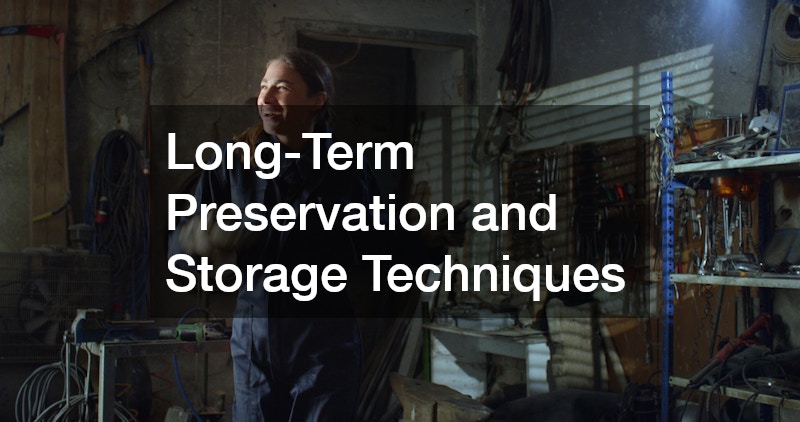
For collectors of vintage or high-value modern classics, the goal is often preservation. This means protecting the vehicle from the silent killers: humidity and UV radiation. Even inside a garage, indirect sunlight can fade leather interiors and crack dashboards over time. High-quality window films on garage windows and the use of breathable, custom-fit car covers are the first line of defense. Additionally, for cars that sit for long periods, battery tenders and tire cradles are essential to prevent flat-spotting and electrical drain.
Security is the final pillar of the enthusiast’s home. A collection worth hundreds of thousands of dollars requires more than a simple padlocked door. Integrated security systems with motion-activated cameras, glass-break sensors, and remote monitoring provide the peace of mind necessary to leave the collection unattended. When these systems are tied into a home automation hub, you can monitor the temperature, humidity, and security of your shop from anywhere in the world.
Designing for Community and Social Engagement
The automotive hobby is, at its heart, a social endeavor. Many enthusiasts design their home improvements to facilitate gatherings, “garage crawls,” and tech sessions with fellow club members. This might include a small lounge area with a refrigerator and seating, or a large screen for watching races. Creating a space that is welcoming to others transforms the hobby from a solitary pursuit into a community-building activity.
This social aspect also provides a practical benefit: a network of shared knowledge. When friends gather in a well-equipped shop, you have access to multiple sets of eyes and decades of collective experience. This can lead to faster troubleshooting and a more enjoyable learning curve for younger family members or new hobbyists. The garage becomes a classroom, a theater, and a social club all rolled into one structural improvement.
Environmental Responsibility in the Home Shop
As the automotive landscape shifts toward sustainability, the dedicated enthusiast should also look for ways to reduce the environmental impact of their hobby. This includes the responsible recycling of all hazardous fluids and the use of eco-friendly cleaning products. Solar panels on a large shop roof can often generate enough power to offset the entire electrical load of the garage, including the EV charging needs, making the hobby nearly carbon-neutral from a power perspective.
Water management is another key area. Installing a trench drain with an oil-water separator ensures that when you wash your cars, no harmful chemicals or heavy metals enter the local groundwater. These small but significant steps demonstrate that being a “car person” and an environmental steward are not mutually exclusive goals. It sets a standard for the next generation of enthusiasts to follow.
Synthesizing the Enthusiast Lifestyle
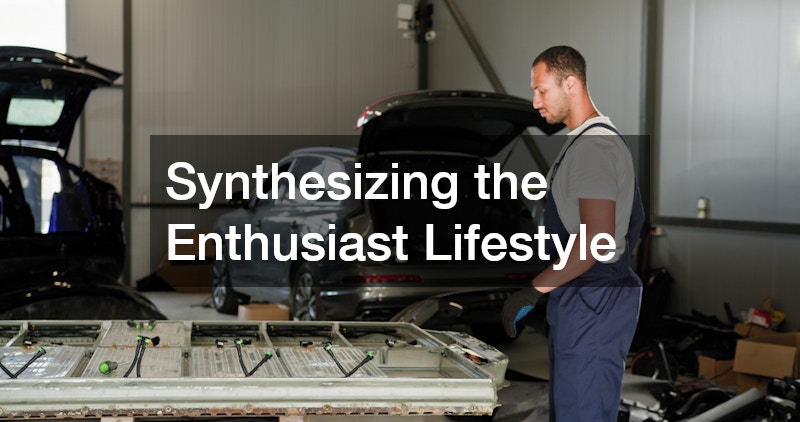
Ultimately, the goal of these strategic home improvements is to create a seamless interface between the homeowner and their passion. When the foundation is strong, the tools are organized, the power is sufficient, and the environment is safe, the act of maintaining and enjoying a vehicle becomes a form of relaxation rather than a source of stress. It represents the ultimate expression of the enthusiast lifestyle—where the home and the machine exist in perfect harmony.
The journey of property improvement is never truly finished, much like the project cars that inhabit these spaces. There is always a new tool to acquire, a better way to organize a shelf, or a more efficient charging system to install. By viewing the property as a dynamic workspace, the enthusiast ensures that their home remains as high-performing as the vehicles parked within it. Through careful planning and a commitment to quality, the humble residential garage is elevated to a place of professional excellence and personal pride.