How Professional Auto Services Keep Cars Roadworthy
Owning a vehicle is both a convenience and a responsibility. Cars provide mobility, independence, and the ability to travel long distances with ease. However, with this freedom comes the need for consistent care, maintenance, and planning for unexpected situations. A well-maintained vehicle reduces the risk of costly repairs, enhances safety, and ensures smooth operation for daily commuting or long road trips. Many drivers underestimate the importance of proactive maintenance until issues arise, which often leads to expensive fixes or safety hazards. Understanding how to protect your car, recognize warning signs, and collaborate with professionals is key to keeping it roadworthy.
Proactive vehicle management involves more than just occasional checkups. It includes maintaining critical systems like brakes and the engine, safeguarding against environmental damage, and being prepared for emergencies like breakdowns or accidents. Working with trusted professionals, such as car mechanics, diesel mechanics, towing companies, and even car accident lawyers, can provide peace of mind while keeping your car in top condition. This guide offers actionable strategies and tips to maintain your vehicle’s performance, prevent avoidable problems, and extend its lifespan, ensuring that your investment continues to serve you reliably.
Protect Your Vehicle from Weather Damage
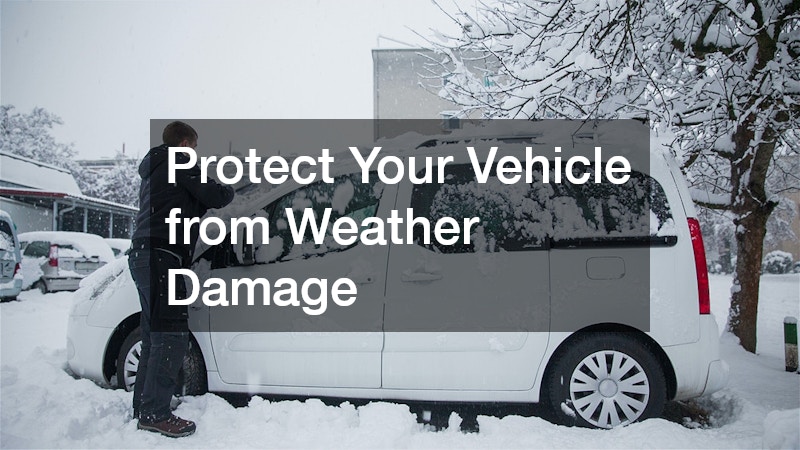
Vehicles face constant exposure to elements like sunlight, rain, hail, and snow, all of which accelerate wear and tear. Ultraviolet rays can fade paint and damage interior surfaces, while moisture can cause rust and corrosion in vulnerable areas. Using carports is one of the simplest yet most effective solutions to mitigate weather-related damage. Carports act as shields, protecting vehicles from direct sunlight and harsh precipitation, preserving both appearance and mechanical integrity over time. Proper placement of a carport is critical; it should be in a shaded area that minimizes wind exposure, which can also reduce the accumulation of dust and debris.
- Select durable materials such as aluminum or steel for long-term protection.
- Consider installing side panels for additional shielding against wind-driven rain.
- Use a car cover under the carport for extended storage periods.
- Schedule routine inspections to check for signs of weather damage.
Even when vehicles are sheltered, it’s essential to perform regular inspections. Look for peeling paint, corroded trim, or weakened seals that can allow water intrusion. Addressing minor issues early can prevent larger structural and mechanical problems, extending the life of your vehicle. By combining physical protection like carports with routine checks and preventative maintenance, car owners can minimize the risk of weather-related deterioration and keep their vehicles looking and running like new. Regular cleaning and waxing can further protect the paint and metal surfaces from environmental damage. Additionally, inspecting tires and undercarriage components for signs of rust or wear helps maintain both safety and performance over time.
Choosing the Right Services for Long-Distance Vehicle Moves
Transporting a vehicle over long distances requires careful planning and the use of professional transport services to ensure it arrives safely and without damage. Driving a car across hundreds of miles can add unnecessary mileage, accelerate wear, and increase the likelihood of mechanical issues. Professional transport services provide a safer alternative by using specialized carriers designed to protect vehicles during transit. Selecting the right type of transport service is critical, especially for luxury, classic, or high-value vehicles, which often require enclosed carriers to avoid exposure to road debris and weather.
- Research transport companies based on reputation, insurance coverage, and customer reviews.
- Choose between open carriers (cost-effective) and enclosed carriers (maximum protection).
- Document your vehicle’s condition with photos before shipping.
- Confirm timelines and handling procedures with the transport company.
Proper documentation before and after transport is essential. Take detailed photos from all angles, note any existing dents or scratches, and compare these records once the vehicle arrives. This ensures accountability and reduces disputes if damage occurs during transit. Choosing a reliable transport service also helps avoid logistical headaches, providing peace of mind and ensuring your car arrives safely while maintaining its value and roadworthiness.
How to Sell Your Car Quickly and Safely
Selling a car can be a daunting process, especially if you want to avoid the complications of private sales. Platforms that buy cars for cash streamline this process, providing convenience and security for sellers. Understanding your car’s market value is the first step toward a fair transaction. Factors such as mileage, condition, recent repairs, and local market trends influence the price. Sellers should also gather all relevant documentation, including maintenance records, registration, and receipts for any recent work, to instill confidence in potential buyers.
- Evaluate your vehicle’s market value using online tools or local listings.
- Collect and organize all necessary documents.
- Obtain multiple offers to ensure a fair price.
- Meet buyers in safe, public locations and avoid sharing sensitive personal information.
Selling through reputable services minimizes stress while maximizing returns. These services handle most of the paperwork and reduce the risks associated with private buyers. Preparing your vehicle by ensuring it’s clean, mechanically sound, and properly documented can significantly accelerate the sale process. By following best practices, sellers can complete transactions quickly, safely, and at a fair market price.
Maintaining Your Brakes to Prevent Accidents
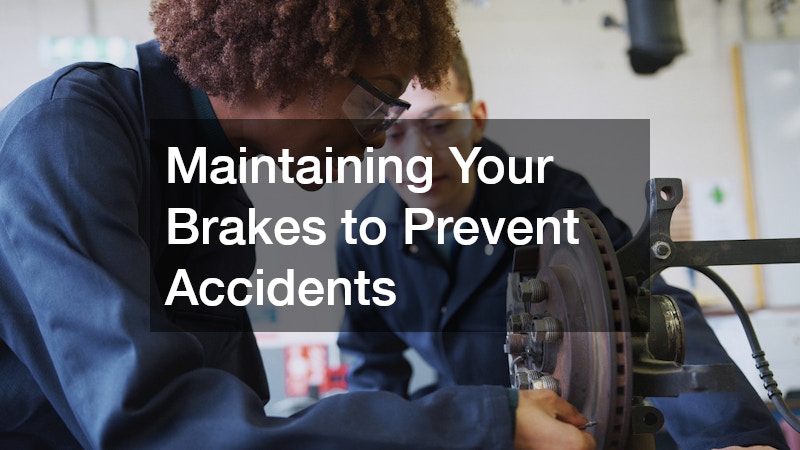
Brakes are the most crucial safety component of any vehicle. Faulty brakes can lead to accidents, injuries, and expensive repairs. Regular brake maintenance and professional brake repairs ensure reliable stopping power and help avoid emergency situations on the road. Drivers should monitor for early warning signs, including unusual noises like squealing or grinding, vibrations when braking, or changes in pedal responsiveness. Timely attention to these indicators can prevent more severe damage, such as worn rotors or compromised brake lines.
- Check brake fluid levels regularly.
- Inspect brake pads and discs every 10,000–15,000 miles.
- Replace worn or damaged components promptly.
- Schedule professional brake inspections periodically.
Professional brake repair services provide expert assessment and high-quality replacement parts. Regular maintenance extends brake life, enhances performance, and ensures that the vehicle stops effectively in all conditions. Integrating routine checks and professional service into your vehicle care routine prevents avoidable accidents, reduces long-term repair costs, and maintains overall vehicle safety. Additionally, keeping a maintenance log of brake inspections and replacements helps track wear patterns and anticipate future needs. Drivers should also remain attentive to changes in braking performance between service intervals, as early detection of issues can prevent sudden failures on the road.
Handling Repairs After a Collision
Even the most careful drivers may encounter collisions. Efficiently managing collision repairs after an accident is critical to restoring your vehicle and protecting your investment. Immediate steps include ensuring safety, documenting the incident, and exchanging insurance information. Detailed records and photographs of damages support insurance claims and help expedite the repair process. Choosing a certified repair shop with experience in collision repairs ensures proper assessment and high-quality restoration.
- Document the scene with photos and notes.
- Exchange insurance details with all parties involved.
- Confirm whether repairs use OEM or aftermarket parts.
- Obtain detailed repair estimates and timelines from certified shops.
Selecting professional repair services minimizes delays and prevents substandard work. Clear communication with both insurance providers and repair technicians ensures repairs meet manufacturer standards, restoring safety and performance. Timely, organized management of collision repairs reduces stress, avoids hidden costs, and preserves the vehicle’s long-term roadworthiness. It’s also important to ask for detailed explanations of the repair process so you understand the work being done and any potential future maintenance needs. Following up after repairs with a thorough inspection ensures that all issues have been properly addressed and that the vehicle is fully safe to drive.
Extending the Life of Your Engine with Proper Care
The engine is the most critical component of any vehicle, and neglect can lead to costly car engine replacements. Routine engine maintenance includes changing oil and filters, monitoring fluid levels, and inspecting components such as spark plugs, air filters, and timing belts. Being proactive allows drivers to detect minor issues before they escalate into major problems, improving reliability and fuel efficiency.
- Change oil and filters according to the manufacturer’s schedule.
- Monitor coolant, transmission, and other vital fluids.
- Replace worn spark plugs, belts, and filters promptly.
- Watch for unusual noises, smoke, or reduced performance.
Preventive measures such as avoiding aggressive driving, keeping the engine clean, and addressing minor issues promptly extend the life of your engine. Regular inspections by certified mechanics ensure that all components are functioning properly and reduce the risk of breakdowns, helping your vehicle remain dependable and efficient for years. Monitoring performance indicators such as fuel efficiency, unusual vibrations, or strange noises can help detect early signs of engine problems before they become serious. Additionally, following the manufacturer’s recommended maintenance schedule, including timely fluid changes and filter replacements, maximizes engine longevity and overall vehicle reliability.
Finding a Reliable Mechanic You Can Trust
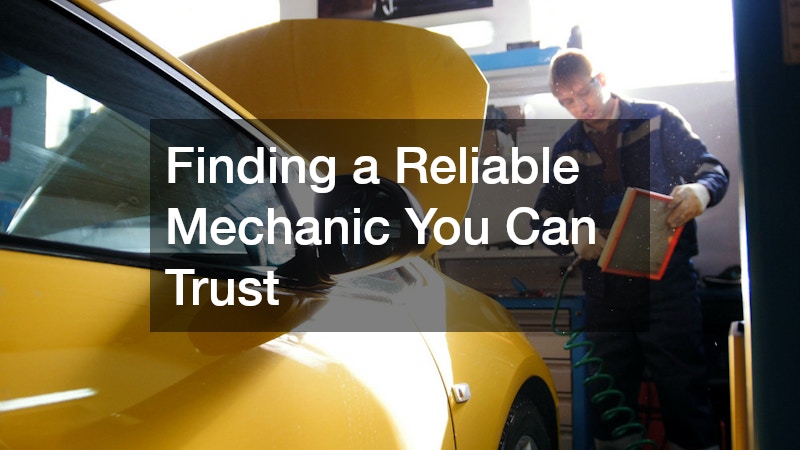
A skilled car mechanic is essential for maintaining a vehicle’s performance and safety. Choosing a trustworthy professional ensures that both routine maintenance and unexpected repairs are handled correctly. A mechanic with proper certifications, positive reviews, and extensive experience can diagnose problems early, preventing costly or unsafe situations. Establishing a long-term relationship allows mechanics to understand your car’s history and recommend preventative strategies tailored to its needs.
- Verify certifications and experience.
- Ask about warranties on parts and repairs.
- Keep detailed service records.
- Schedule regular inspections to detect early issues.
Red flags, such as unnecessary repair recommendations or a lack of transparency, should be avoided. A reliable mechanic not only performs high-quality repairs but also educates owners on proper care, ensuring vehicles remain roadworthy and safe over the long term. Building a strong relationship with a trusted mechanic allows them to become familiar with your vehicle’s history, which can help in identifying issues early and recommending preventative measures. Additionally, a good mechanic will provide guidance on maintenance priorities, helping you plan repairs and services efficiently while avoiding unexpected expenses.
When and How to Call Towing Companies Safely
Breakdowns or accidents can leave drivers stranded in unsafe situations. Knowing how to engage towing companies safely prevents further damage to the vehicle and ensures timely service. It’s important to verify that the towing company is licensed, insured, and equipped to handle your vehicle type. Having contact information readily accessible, through insurance providers or roadside apps, allows a quick response in emergencies.
- Keep towing company contacts easily accessible.
- Ensure proper vehicle loading on flatbeds to prevent damage.
- Stay at a safe distance from traffic during a tow.
- Confirm insurance coverage for towing costs.
Preparedness reduces stress during emergencies. Professional towing companies provide secure transport to repair facilities, protecting both the car and the driver. Prompt and proper towing prevents additional mechanical or body damage, enabling smoother post-breakdown recovery. It’s also helpful to familiarize yourself with the types of towing available, such as flatbed versus hook-and-chain, to ensure your vehicle is transported safely. Maintaining a roadside emergency kit with essentials like reflective triangles, gloves, and a flashlight can further enhance safety while waiting for a tow.
Navigating Legal Support After a Car Accident
Accidents often involve complex insurance claims, liability disputes, and potential legal complications. Car accident lawyers provide guidance to protect your rights and navigate the claims process efficiently. They can assist in situations involving significant property damage, injuries, or contested fault. Early engagement ensures that documentation, witness statements, and insurance communications are handled professionally.
- Hire a lawyer for serious injuries or disputed claims.
- Gather police reports, photos, and witness statements.
- Keep detailed records of communications.
- Follow professional advice during settlements or court proceedings.
Legal support increases the likelihood of a fair outcome. By combining professional guidance with thorough documentation, drivers can ensure proper compensation, minimize stress, and avoid pitfalls in complex accident scenarios. This approach safeguards both financial and personal interests after a collision. Additionally, a lawyer can help interpret insurance policies and advocate for coverage that you might not realize you’re entitled to. Staying organized with all accident-related correspondence and medical records further strengthens your case and helps expedite the claims process.
Specialized Care for Diesel Vehicles
Diesel engines require unique maintenance due to differences in fuel systems, combustion, and emissions compared to gasoline engines. Certified diesel mechanics are trained to handle these vehicles, ensuring optimal performance and long-term reliability. Regular care prevents issues such as clogged fuel filters, turbocharger failures, or exhaust blockages, which can be costly if ignored.
- Replace fuel filters regularly.
- Inspect turbochargers and intercoolers.
- Monitor exhaust systems for blockages or emissions issues.
- Adhere to manufacturer-recommended service intervals.
Specialized diesel maintenance extends engine life and improves efficiency. Proper handling, combined with scheduled inspections, ensures that diesel vehicles remain dependable and ready for both daily use and long trips. Proactive diesel care reduces the risk of unexpected breakdowns, keeping vehicles safe and reliable.
Keeping a vehicle roadworthy requires consistent attention, proactive maintenance, and professional support. Regular engine care, brake repairs, and inspections by trusted mechanics prevent minor issues from escalating into major problems. Preparing for emergencies, including knowing towing options and consulting legal professionals when necessary, ensures vehicles remain safe and protected.
Environmental protection through carports and covers, combined with routine checks, extends a car’s lifespan while maintaining its performance. Specialized services for diesel mechanics and careful handling after accidents further contribute to longevity and reliability. By integrating preventive strategies, professional guidance, and practical maintenance, drivers can ensure their vehicles remain dependable, safe, and ready for all road conditions, providing peace of mind every time they drive.