How to Get Your Car in Good Shape After a Fender Bender

Accidents happen, even to the most cautious drivers. A minor collision, often called a fender bender, can leave your vehicle with cosmetic damage and underlying issues that are easy to overlook. While it may seem like a small incident, addressing the damage promptly is essential for your car’s safety, value, and performance. One of the most effective ways to ensure your vehicle is restored correctly is to turn to professional auto body collision repair shops. Here’s a detailed guide on how to get your car back in top shape after a fender bender.
1. Assess the Damage Carefully
The first step after a fender bender is to thoroughly assess the damage. Take a close look at the impacted areas, including the bumper, fender, hood, headlights, and any other parts that may have been affected. While dents, scratches, or misaligned panels are obvious, you should also check for less visible issues such as:
- Misaligned wheels or tires
- Unusual sounds when driving
- Leaks from the engine or radiator
- Problems with brakes or suspension
Even if the damage appears minor, there may be underlying structural issues. This is where professional auto body collision repair shops can make a significant difference. They have the expertise to identify both visible and hidden damage, preventing small problems from becoming expensive repairs later.
Document the damage by taking photos from multiple angles. This can be useful for insurance claims and helps the repair shop understand the scope of the work required.
2. Choose the Right Auto Body Collision Repair Shop
Not all repair shops are created equal. Selecting a reliable auto body collision repair shop is critical to ensure your car is restored to its original condition. Here are some tips for finding the right shop:
- Check Credentials: Ensure the shop is certified by recognized organizations, such as the National Institute for Automotive Service Excellence (ASE) or manufacturer-approved repair centers.
- Read Reviews: Online reviews and testimonials provide insight into customer experiences, turnaround times, and the quality of work.
- Get Multiple Estimates: Obtain quotes from at least two or three shops to compare pricing and services. Beware of unusually low estimates—they may indicate substandard parts or workmanship.
- Ask About Warranties: A reputable shop should offer warranties on both parts and labor. This guarantees peace of mind that your repairs are done correctly.
Professional shops often use specialized equipment to repair and realign the car’s frame, replace damaged parts, and restore the paint finish. By choosing the right facility, you minimize the risk of recurring problems and maintain the vehicle’s resale value.
3. Understand the Repair Process
Knowing what to expect during the repair process helps you stay informed and reduces stress. Most auto body collision repair shops follow a structured approach:
- Initial Inspection: Technicians assess the full extent of the damage and provide an estimate.
- Disassembly and Damage Assessment: Damaged parts are removed to evaluate hidden issues such as bent frames or compromised structural components.
- Repair and Replacement: Technicians repair dents, replace parts if necessary, and address any mechanical or electrical issues.
- Paint and Finish: Matching the original paint color and applying protective coatings ensures a seamless appearance.
- Quality Check and Test Drive: The car is thoroughly inspected and test-driven to confirm repairs are successful and safety standards are met.
Throughout the process, communication is key. Ask your shop for updates and timelines so you can plan accordingly. Some shops even provide loaner cars or shuttle services while your vehicle is being repaired.
4. Post-Repair Care and Maintenance
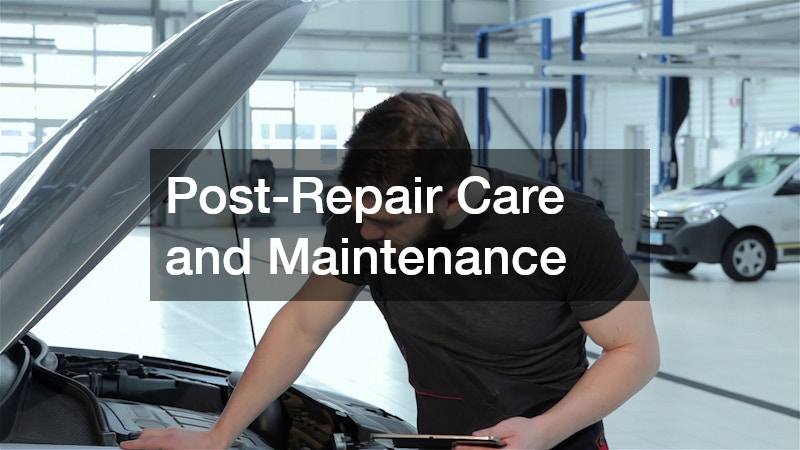
After your car has been repaired, taking proper care of it will help maintain the results. Here are some steps to consider:
- Inspect the Repairs: Before driving off, check the repaired areas for proper alignment, paint matching, and functionality of lights, mirrors, and doors.
- Follow Maintenance Guidelines: Stick to recommended maintenance schedules, including tire rotation, alignment checks, and fluid replacements.
- Avoid Minor Damages: Be extra cautious to prevent scratches or dents, especially in areas that were repaired. Waxing your car regularly can protect the paint and extend its life.
- Keep Records: Retain all receipts and documentation from the repair shop. This not only helps with future insurance claims but also supports your car’s resale value.
By following these steps, you extend the life of the repairs and ensure your car continues to perform safely and efficiently.
Conclusion
Even a minor fender bender can have lasting effects if not addressed properly. Promptly assessing damage, selecting a reputable auto body collision repair shop, and understanding the repair process are essential steps to restoring your car to top condition. Post-repair care ensures the longevity of the work and keeps your vehicle looking and functioning at its best. Whether you’re dealing with dents, scratches, or more significant damage, professional assistance is invaluable. Investing in quality repairs today prevents bigger problems tomorrow, keeping you safe on the road and maintaining your car’s value for years to come.