Deciding Between Repairing Your Car or Buying a New One

Making the choice between repairing your current car or purchasing a new one can feel daunting. Vehicles are not only significant financial investments but also essential tools for daily life. Understanding the costs, reliability, and personal factors involved can help you make a decision that aligns with both your budget and lifestyle. This article breaks down the key considerations to guide you through this process.
What Are the Costs Involved in Repairing Versus Buying New?
When deciding whether to repair or replace a car, the first factor to consider is cost. Routine car repairs, such as brake replacements, engine work, or transmission repairs, can range from a few hundred to several thousand dollars, depending on the severity of the issue. Over time, frequent repairs can accumulate, sometimes exceeding the value of the car itself.
Evaluating past maintenance history and anticipating future repair needs can provide a clearer picture of long-term expenses.
New cars depreciate rapidly—often losing 20–30% of their value in the first year and around 50% in three years. This depreciation is an important factor when comparing costs because it offsets some of the appeal of buying new. In contrast, repairing an older car may involve upfront costs but allows you to keep a vehicle without taking on the financial hit of depreciation. Understanding this balance is essential when comparing the economic impact of car repairs versus buying a new model.
Financing a new car typically involves monthly loan payments, whereas car repairs are usually a one-time expense. Additionally, new cars often come with higher insurance premiums due to replacement value, while older cars with ongoing repairs may require only standard coverage. Factoring in both insurance and financing costs can help clarify the total financial impact of either option.
How Does Vehicle Reliability Factor Into the Decision?
Your current car’s reliability plays a major role in the decision to repair or replace. Consider the frequency of breakdowns, the age of key components, and the availability of replacement parts. If your vehicle has been consistently dependable and repairs are infrequent, investing in car repairs may be worthwhile. Conversely, if the car is prone to repeated mechanical issues, the likelihood of ongoing costs may tip the balance toward purchasing a new vehicle.
One of the advantages of buying new is the warranty coverage. Warranties can cover major repairs for several years, giving you peace of mind and reducing unexpected expenses. For some drivers, this assurance outweighs the higher upfront cost, particularly if reliability and maintenance concerns are significant factors in their decision-making process.
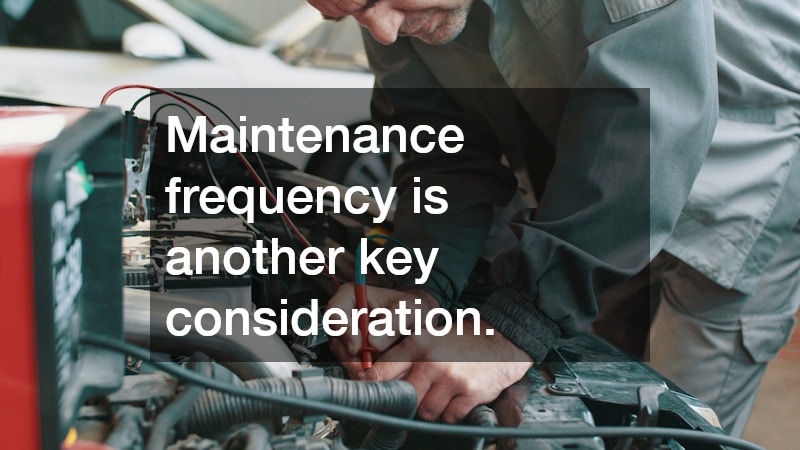
Maintenance frequency is another key consideration. Older vehicles often require more regular servicing, including oil changes, belt replacements, and brake inspections. If your current car demands frequent visits to the mechanic, investing in a new car with lower maintenance needs may be more cost-effective in the long run. Comparing projected maintenance costs against the anticipated life of your vehicle can help determine the most financially prudent choice.
What Lifestyle or Environmental Factors Should Influence Your Decision?
Environmental sustainability is increasingly influencing car ownership decisions. Repairing a car can reduce waste and limit the environmental impact of manufacturing and shipping a new vehicle. Conversely, newer cars often come with improved fuel efficiency and lower emissions, which can also contribute positively to your environmental footprint. Evaluating the environmental trade-offs between repair and replacement can provide a meaningful perspective beyond just financial considerations.
Personal lifestyle changes, such as expanding family size, relocating for work, or taking on new hobbies, can alter vehicle requirements. A larger family may require a more spacious vehicle, or a new commute could necessitate better fuel efficiency. In these cases, even a reliable car may no longer meet your needs, making the purchase of a new vehicle a more practical solution.
Modern vehicles offer advancements in safety, connectivity, and convenience that older cars cannot match. Features like advanced driver-assistance systems, adaptive cruise control, and updated infotainment can make a new car more appealing, especially if your current vehicle lacks these enhancements. When considering car repairs, weigh not only cost and reliability but also the potential benefits of upgrading to newer technology and safety features.
Deciding between repairing your car or buying a new one requires careful consideration of multiple factors. Financially, comparing the costs of ongoing repairs against the depreciation, financing, and insurance of a new vehicle is critical. Reliability and maintenance frequency are equally important—frequent breakdowns may justify replacement, while a dependable car might warrant continued investment in car repairs. Finally, personal lifestyle, environmental impact, and technological advancements should all influence the decision. By evaluating these elements together, vehicle owners can make a more informed choice that balances cost, convenience, and long-term satisfaction.