Collision Repair Guide How to Restore Your Vehicle After an Accident
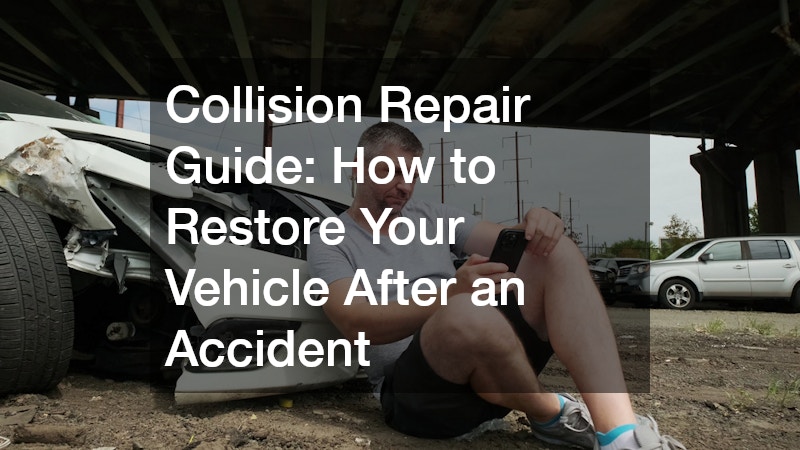
If you have ever been in an accident, you know how stressful it can be. One of the first things you will need afterward is collision repair to get your vehicle back on the road. Whether the damage is small or severe, proper repair is important for both safety and appearance. Understanding the process can help you make better decisions and avoid costly mistakes.
Collision repair is the process of fixing a vehicle after it has been damaged in an accident. This can include anything from small dents and scratches to major structural repairs. The goal is to restore the car to its original condition, both in how it looks and how it performs.
Not all accidents cause the same kind of damage. Some vehicles may only need minor cosmetic work, while others require more serious repairs.
Minor damage includes dents, scratches, and chipped paint. These issues are usually quick to fix and less expensive.
Major damage can involve broken parts, frame issues, or problems with the engine or suspension. These repairs take more time and skill to complete.
Knowing what happens during collision repair can make the experience less confusing.
The first step is a full inspection of the vehicle. A technician will assess the damage and provide an estimate for the cost and time needed for repairs.
In some cases, parts of the car must be taken apart to see hidden damage. This ensures nothing is missed during the repair process.
Damaged parts are either repaired or replaced. This may include fixing the frame, replacing panels, or repairing mechanical systems.
Once the repairs are complete, the vehicle is repainted to match its original color. This step helps restore the car’s appearance.
Before returning the car, technicians perform a final check to ensure everything is safe and working properly.
Not all repair shops offer the same level of service. Choosing the right one can make a big difference in the outcome.
Certified shops follow industry standards and use proper repair methods. This ensures your car is fixed correctly.
Reading customer reviews can give you insight into the quality of service. Look for shops with positive feedback and a good reputation.
A reliable shop will offer a warranty on their work. This gives you peace of mind in case something goes wrong later.
The cost of collision repair can vary widely depending on the damage.
Several things can impact the final price. These include the extent of the damage, the type of vehicle, and the cost of parts.
Labor costs also play a role. More complex repairs require more time and expertise, which increases the price.
Many drivers use insurance to cover collision repair costs. It is important to understand your policy and what it includes.
You may need to pay a deductible before your insurance covers the rest. Always check with your provider to know what to expect.
Dealing with repairs after an accident can be overwhelming, but a few simple steps can make it easier.
Take photos of your vehicle right after the accident. This can help with insurance claims and repair estimates.
Stay in touch with the repair shop. Ask questions and request updates so you know what is happening with your car.
Save all receipts and documents related to the repair. This information can be useful for future reference or resale value.
Many people make simple mistakes that can lead to bigger problems later.
Going for the lowest price is not always the best choice. Poor-quality repairs can lead to more issues down the road.
Some drivers try to ignore minor damage to save money. However, even small issues can become bigger over time.
Repairs can take time, especially if parts need to be ordered. Be patient and allow the shop to do the job properly.
Proper collision repair is not just about looks. It also affects the safety and performance of your vehicle.
A poorly repaired car may not protect you properly in another accident. Ensuring high-quality work keeps you and your passengers safe.
Good repairs help maintain your car’s value. This is important if you plan to sell or trade it in the future.
A well-repaired vehicle drives smoothly and feels more reliable. This improves your overall driving experience.
Dealing with an accident is never easy, but understanding collision repair can make the process less stressful. From choosing the right repair shop to knowing what to expect, being informed helps you make smarter decisions. Always focus on quality, safety, and proper communication throughout the process.
By taking the time to understand your options and working with trusted professionals, you can ensure your vehicle is restored properly. In the end, investing in good collision repair will give you peace of mind and help keep your car running safely for years to come.


© Fix My Ride Blog. All Rights Reserved - Sitemap