How to Handle Every Major Automotive Emergency Like a Pro
Driving brings an undeniable sense of freedom, but it also carries an inherent risk of unexpected trouble. Whether you drive a brand-new hybrid, a trusted family SUV, or a restored vintage cruiser, facing an automotive emergency is a matter of “when,” not “if.” A sudden mechanical breakdown on a deserted highway, an unexpected collision at a busy intersection, or finding yourself locked out in a dark parking lot can instantly transform a routine trip into a stressful crisis.
The difference between an amateur driver who panics and a seasoned professional lies entirely in preparation and execution. When an emergency strikes, taking a systematic, step-by-step approach protects your safety, safeguards your financial interests, and minimizes vehicle downtime. Handling an automotive crisis like a pro requires understanding how to stabilize the immediate environment, diagnose the underlying issue, and leverage the right professional network to resolve the problem efficiently.
This guide provides a complete blueprint for navigating the most challenging scenarios you might face behind the wheel. By mastering these protocols, you will gain the confidence to handle roadside failures, structural collisions, glass integrity issues, and legal complications calmly, safely, and effectively.
Chapter 1: Critical Roadside Failures & Mechanical Downtime
Triage on the Shoulder: Securing Your Safety Before Calling for Help
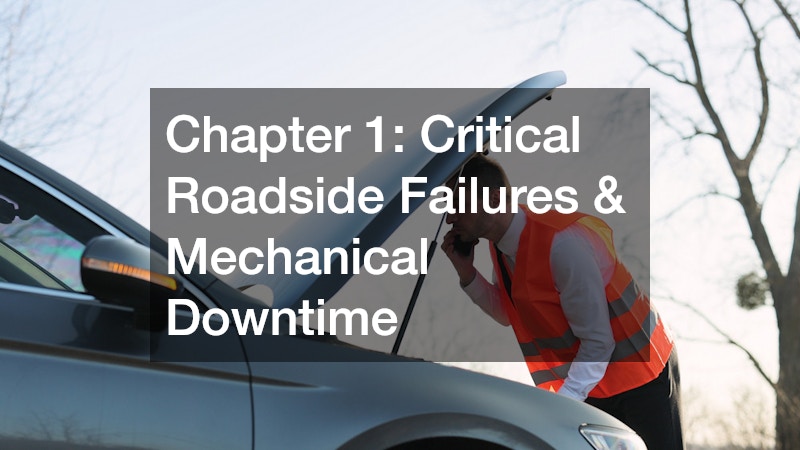
The moments immediately following a vehicle malfunction are the most dangerous. If your engine dies, a tire blows out, or smoke begins pouring from under the hood, your primary objective is to move your vehicle out of active traffic lanes.
- Signal Early and Coast: As soon as you sense a failure, turn on your hazard lights to signal distress to trailing drivers. Use your vehicle’s remaining momentum to coast toward the right-hand shoulder or, ideally, an off-ramp or parking lot.
- Maximize Distance: Pull as far off the paved roadway as possible. If you are forced to stop on a highway shoulder, turn your wheels away from the road so that your vehicle will not be pushed into traffic if hit from behind.
- Establish a Safety Zone: Engage your emergency brake immediately. If you have reflective triangles or LED flares in your roadside kit, place them behind your vehicle at incremental distances (25 feet, 100 feet, and 200 feet) to alert oncoming traffic, especially at night or on curved roads.
- Evaluate Your Cabin Safety: Assess whether it is safer to stay inside or exit the vehicle. On high-speed interstates with narrow shoulders, remaining buckled inside your car is generally safer than standing outside. However, if your vehicle is stopped near a guardrail or steep embankment, exit through the passenger side door and stand well behind the barrier away from traffic flow.
Flat Tires, Dead Batteries, and Sudden Stalls
When mechanical components fail unexpectedly, quick diagnostic checks help determine whether you can perform a safe DIY repair or if you must arrange professional vehicle transport.
A dead battery is one of the most common causes of a sudden stall or a failure to start. Modern vehicles rely heavily on complex electronic control units, making proper jump-starting procedures vital to avoid frying expensive onboard computers. Always connect the positive cable to the dead positive terminal first, followed by the positive terminal on the donor battery. Connect the negative cable to the donor battery’s negative terminal, and ground the final negative clamp to an unpainted metal surface on the stalled vehicle’s engine block.
Tire blowouts present a different physical challenge. If a tire bursts at highway speeds, avoid slamming on the brakes, which can cause a rollover or loss of control. Instead, maintain a firm grip on the steering wheel, hold the accelerator pedal steady for a brief moment to stabilize the chassis, and gently coast toward the shoulder. If your vehicle lacks a spare tire or if the damage extends to the wheel rim, attempting to drive further will cause catastrophic suspension damage. In these circumstances, arranging specialized towing services is the only safe way to transport the vehicle to a repair facility without causing further destruction to the drivetrain or undersurface components.
Managing On-the-Road Lockouts Without Damaging Door Seals
Finding yourself locked out of your car is frustrating, but rushing to regain entry using improvised methods usually results in expensive collateral damage. Modern automobile doors contain intricate wiring harnesses, side-impact airbag sensors, and precision weather stripping that can be easily ruined by untrained hands.
- Avoid Coat Hangers and Wedges: Attempting to pry open a door frame with metal tools or makeshift wedges often bends the upper door architecture, creating permanent wind noise and water leaks. Worse, blind probing inside the door panel can tear power window wiring or accidentally deploy side curtain airbags.
- Check Secondary Access Points: Modern proximity keys and electronic deadlocks can sometimes be bypassed using the hidden physical key blade tucked inside your key fob. Always check trunk latches or secondary door locks before assuming you are completely locked out.
- Call Certified Technicians: The safest and fastest resolution is contacting a dedicated auto lockout specialist. Professional technicians utilize inflatable air wedges and non-marring long-reach tools that allow entry without scratching paint, damaging door seals, or compromising electronic locking mechanisms.
Chapter 2: Structural Damage & Major Collision Management
The First 15 Minutes After an Impact
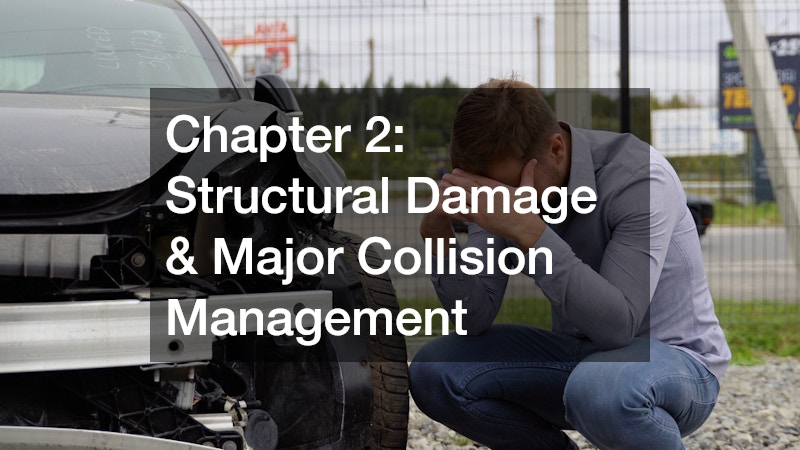
A vehicle collision triggers an immediate surge of adrenaline, making it difficult to think clearly. Having a structured checklist locked in your memory ensures you take all necessary steps to safeguard health and preserve critical evidence.
First, check yourself and your passengers for injuries before attempting to move. If anyone is injured, call emergency services immediately and avoid moving individuals with potential neck or spinal injuries unless there is an imminent fire hazard. Turn off your vehicle’s ignition to eliminate electrical sparks that could ignite leaking fuel or hot fluids.
Once personal safety is secured and the scene is stabilized, shift your focus to documentation:
- Capture Comprehensive Visual Evidence: Take high-resolution photographs and videos of the entire crash scene before moving vehicles, if safety permits. Document all vehicle angles, property damage, skid marks, road conditions, traffic signals, and weather factors.
- Exchange Essential Details: Swap insurance information, full names, phone numbers, driver’s license numbers, and vehicle registrations with all involved parties.
- Limit Conversation Regarding Fault: Cooperate fully with law enforcement officers when they arrive to draft the official police report, but refrain from making statements that imply guilt, apologize, or speculate on speed or distance. Statements made in the immediate aftermath of an accident can be misconstrued and used against you during insurance claims.
- Gather Witness Information: If bystander witnesses are present, politely request their contact details and written or recorded statements regarding what they saw before they leave the scene.
Navigating Frame Damage and Cosmetic Restorations
Following a major impact, structural integrity becomes the primary concern. Modern unibody vehicles are engineered with specific crumple zones designed to absorb impact energy, protecting the passenger cabin. However, once these zones deform, they must be restored precisely to factory specifications to ensure the vehicle remains safe in future accidents.
When inspecting damage, look beyond surface cosmetics like cracked bumpers or scraped doors. Structural red flags include uneven panel gaps, doors that rub against the frame when opening, steering wheel misalignment, and unusual tracking where the rear wheels do not follow the front wheels straight. Reputable facilities utilize computerized three-dimensional laser measuring systems to detect microscopic frame shifts that are invisible to the naked eye.
Restoring a collision-damaged vehicle requires specialized machinery, hydraulic pulling posts, and precise aluminum or high-strength steel welding techniques. Selecting a certified auto body repair shop guarantees that technicians follow manufacturer-recommended repair procedures and use original structural components rather than inferior structural replacements that could compromise occupant safety.
Post-Collision Legal Safeguards & Claims Processing
The financial aftermath of a severe crash can linger long after physical local auto repairs are complete. Insurance companies often move quickly to minimize their financial payout, offering early settlements that may fail to cover delayed medical complications or hidden vehicle damage.
- Document All Related Costs: Maintain an organized digital file containing medical evaluation records, emergency transport bills, rental vehicle receipts, repair invoices, and proof of lost income due to work absence.
- Account for Diminished Value: Even after flawless physical restoration, a vehicle with a documented accident history suffers an immediate drop in market value. Ensure your financial recovery accounts for this inherent loss in resale worth.
- Protect Your Legal Rights: Navigating complex liability disputes, uninsured motorist claims, or severe bodily injury coverage requires technical expertise. Consulting a qualified car accident lawyer ensures your rights are protected, counteracts aggressive insurance negotiation tactics, and secures full financial compensation for all damages. You may also need a DWI lawyer.
Chapter 3: Glass Hazards, Visibility Failures, and Preventive Maintenance
Managing High-Speed Windshield Cracks and Shatters
A sudden stone impact or temperature shift can cause a windshield to chip, crack, or shatter instantly while driving. Because modern laminated windshields contribute up to 30 percent of a vehicle’s structural roof strength during a rollover, maintaining glass integrity is critical to overall vehicle safety. Call an auto glass service for support.
If a stone strikes your windshield at highway speed and creates an immediate crack, remain calm and maintain firm control of the steering wheel. Avoid sudden braking or swerving, as knee-jerk reactions can cause secondary accidents with adjacent vehicles. Turn on your defroster or air conditioning to equalize cabin pressure and internal temperature, which helps prevent small star chips from expanding rapidly across your field of view.
Finding and Vetting Everyday Maintenance Mechanics
While sudden emergencies demand immediate action, building a relationship with a reliable service facility is the best way to prevent mechanical failures before they happen. Proactive maintenance catches worn belts, leaking brake lines, and failing cooling components before they leave you stranded.
Protecting Vintage and Specialty Vehicles from Standard Garage Mistakes
Classic automobiles, hot rods, and vintage sports cars present unique mechanical challenges that modern computer-assisted diagnostic tools cannot solve. These vehicles rely on mechanical carburetors, point-ignition systems, drum brakes, and manual steering linkages that require traditional craftsmanship and mechanical intuition.
Taking a vintage vehicle to a standard high-volume service facility often leads to frustration. Standard service bays are set up for diagnostic OBD-II port scans, plug-and-play component replacement, and modern synthetic fluid standards. Using incorrect high-detergent engine oils in vintage engines can destroy flat-tappet camshafts, while improper lift point selection on classic frame rails can warp body panels or crush floor pans.
Chapter 4: Legal Emergencies & Long-Term Mechanical Care
Traffic Stops, Sobriety Testing, and Rights Preservation
Legal emergencies on the road require the same calm, methodical response as mechanical breakdowns. A traffic stop or checkpoint interaction can quickly turn into a high-stakes legal situation if you do not understand your constitutional rights and legal obligations.
When pulled over by law enforcement, bring your vehicle to a complete stop in a safe location, turn off the engine, turn on your interior cabin light if it is nighttime, and place both hands clearly on the steering wheel. Wait for the officer to approach and ask for your documentation before reaching into the glove box or console.
Localizing Your Emergency Response Network
When an automotive emergency strikes, time is your most valuable asset. Waiting until your vehicle breaks down on a dark secondary road to figure out who to call often leads to long wait times, inflated roadside fees, and poor service choices made in desperation.
Navigating Insurance Repair Directives and Second Opinions
After an accident or major mechanical breakdown covered by insurance, vehicle owners often feel pressured by claims adjusters to use specific “preferred network” repair facilities. Insurance companies establish these networks to streamline administrative processes and control costs, but you are not legally obligated to use their recommended shops. Call a classic car mechanic for help.
In most regions, law guarantees your right to choose whatever certified repair facility you prefer. While preferred shops often offer lifetime warranties backed by the insurer, independent second opinions are invaluable when dealing with major structural damage, suspension overhauls, or complex electrical repairs. Call a car repair shop for services.
Using This Guide for Auto Emergencies
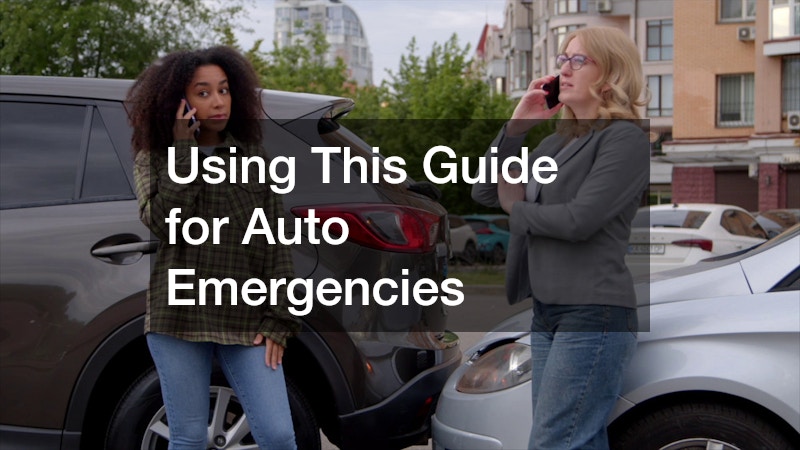
Handling an automotive emergency like a professional comes down to preparation, clear thinking, and decisive action. Roadside crises are inherently unpredictable, but your response to them does not have to be. By treating safety as your top priority, collecting precise evidence, knowing your legal rights, and relying on certified specialists, you can navigate even the most challenging road scenarios with confidence.