How a Mechanic Will Keep Your Car Well Maintained

Regular vehicle maintenance can help keep your car reliable, safe and comfortable to drive. While some basic checks can be completed by the owner, professional servicing provides a more comprehensive way to monitor the condition of important components. A qualified mechanic can identify developing issues, carry out routine maintenance and recommend repairs when necessary.
Keeping up with servicing can also make it easier to detect minor problems before they become more complicated or expensive. Understanding what a professional does during routine maintenance can help you appreciate the importance of looking after your vehicle throughout its lifespan.
Checking Essential Components
One of the first things a mechanic can do during a service is inspect the vehicle’s key components. This may include checking the engine, brakes, suspension, steering, tyres, lights and other systems that contribute to the vehicle’s operation.
The exact inspection will depend on the vehicle and the type of service being performed. A professional can look for visible signs of wear, leaks, damage or other concerns that may need attention.
Identifying problems early can give you an opportunity to address them before they potentially affect other parts of the vehicle.
Changing Engine Oil And Filters
Engine oil plays an important role in lubricating internal components and helping the engine operate properly. Over time, oil can become contaminated or lose some of its effectiveness.
During a routine service, a mechanic may replace the engine oil and oil filter according to the vehicle manufacturer’s recommendations. Air and other filters may also be inspected or replaced when necessary.
Keeping these components properly maintained can support the engine’s ongoing performance and contribute to reliable operation.
Inspecting The Braking System
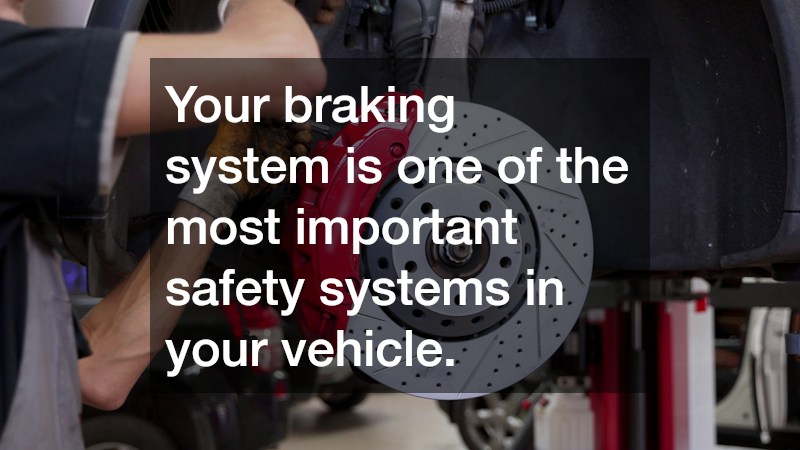
Your braking system is one of the most important safety systems in your vehicle. Brake components naturally experience wear through regular use, so they need to be checked periodically.
A professional can inspect brake pads, discs, fluid and other relevant components for signs of wear or damage. If something requires attention, they can explain the issue and recommend appropriate repairs.
Addressing brake problems promptly can help maintain effective braking performance and reduce the risk of more serious issues.
Checking Tyres And Suspension
Tyres have a direct impact on handling, braking and road contact. During servicing, a technician can check tyre condition, tread depth and pressure, as well as looking for uneven wear.
The suspension system can also be inspected for signs of worn or damaged components. Problems with suspension can affect handling and ride comfort, so identifying issues early can be beneficial.
Regular checks can help ensure that these important systems remain in suitable condition for everyday driving.
Monitoring Fluid Levels
Vehicles rely on several different fluids to operate effectively. Depending on the vehicle, these may include coolant, brake fluid, transmission fluid and power steering fluid.
A mechanic can check fluid levels and inspect for signs of leaks or contamination. If a fluid needs to be topped up, replaced or investigated, the technician can provide appropriate advice.
Maintaining correct fluid levels can help protect various components and support the proper operation of the vehicle.
Testing The Battery And Electrical System
Modern vehicles depend on electrical systems for everything from starting the engine to operating lights, safety features and entertainment equipment.
A professional can inspect the battery and relevant electrical components during a service. They may check the battery’s condition, charging system and connections to identify potential problems.
Finding a weak battery or electrical issue before it causes a breakdown can be particularly useful, especially if your vehicle is regularly used for commuting or long-distance travel.
Identifying Warning Signs
Your car may provide several indications that something requires attention. Strange noises, unusual vibrations, warning lights, fluid leaks or changes in performance should not necessarily be ignored.
A qualified mechanic can investigate these symptoms and determine whether they are associated with routine wear or a more significant mechanical problem.
Explaining changes you have noticed while driving can also help the technician diagnose issues more efficiently.
Following A Maintenance Schedule
Different vehicles have different servicing requirements. Manufacturers generally provide recommended maintenance schedules based on factors such as mileage, vehicle age and driving conditions.
Following these recommendations can help ensure important maintenance tasks are completed at appropriate intervals. A professional can also keep track of previous servicing and advise you when the next appointment is due.
Staying consistent with scheduled maintenance can help prevent important checks from being overlooked.
Professional vehicle maintenance involves much more than changing the oil. From inspecting brakes and tyres to checking fluids, electrical components and suspension, a mechanic can assess many parts of your car to help keep it operating reliably.
Regular servicing can also provide an opportunity to identify developing problems before they become more serious. If your vehicle is due for a service or you have noticed changes in the way it drives, contact a qualified mechanic to arrange an inspection and keep your car in good condition.