How to Build a Reliable Truck for Work

Dependability Starts Before the First Job
A work truck has to do more than look tough. It needs to start every morning, carry tools and materials safely, handle long days on the road, and keep operating even when the workload is demanding. Whether the truck is used for construction, landscaping, farming, towing, delivery, or general contracting, reliability directly affects productivity. When the truck is down, jobs can be delayed, equipment may not arrive on time, and unexpected repair costs can cut into profit.
Building a reliable truck for work is not just about adding accessories or choosing the biggest available upgrades. It starts with understanding how the vehicle will be used. A truck that hauls heavy loads every day needs different priorities than one used for service calls or light equipment transport. Payload, towing needs, road conditions, weather, storage, and daily mileage all matter.
The best approach is to build reliability in layers. Start with the truck’s mechanical condition, then address safety, protection, capability, and maintenance. A dependable truck is not created by one major upgrade. It is created through smart choices, consistent upkeep, and attention to small problems before they become expensive failures.
Start With a Strong Foundation Before Adding Upgrades

Before adding accessories or modifying the vehicle, inspect the truck’s core condition. A work truck depends on its frame, suspension, steering, drivetrain, and electrical system. If these areas are already worn or neglected, upgrades may place even more stress on weak components. A strong foundation helps every other investment perform better.
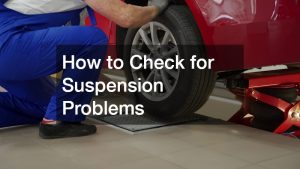
Start with a full inspection of the frame and undercarriage. Look for rust, cracks, bent areas, loose mounts, and signs of previous poor repairs. Surface rust may be manageable, but deeper corrosion around structural areas can reduce safety and strength. The suspension should also be checked closely, especially if the truck frequently carries heavy loads. Worn shocks, springs, bushings, or ball joints can affect handling, tire wear, and braking performance.
The steering system is another key area. A truck that wanders, pulls, vibrates, or feels loose can become dangerous under load. Steering problems also make the truck harder to control on rough roads or job sites. Fixing these problems early helps prevent uneven wear on other systems.
Choosing the right truck parts is also important. Work vehicles need components built for durability, not just the lowest price. Heavy-duty parts may cost more upfront, but they often last longer under daily use. This is especially true for suspension, steering, cooling, and drivetrain components. A cheaper repair that fails during a busy season can cost far more than a quality part installed correctly the first time.
Once the foundation is evaluated, create a baseline maintenance record. Note the condition of major systems, recent repairs, fluid changes, tire age, and any known concerns. This gives the owner a clear starting point and makes future maintenance easier to manage.
Make Sure the Powertrain Can Handle Daily Demands
The powertrain is the heart of a work truck. If the engine or transmission cannot handle the truck’s workload, reliability will suffer no matter how many accessories are added. Work use is harder on a vehicle than casual driving. Hauling, towing, idling, stop-and-go traffic, hills, and extreme temperatures all increase stress on major mechanical systems.
Engine condition should be evaluated carefully. Warning signs such as excessive smoke, coolant loss, oil leaks, knocking sounds, overheating, rough starts, or poor acceleration should not be ignored. These issues may point to worn internal parts, cooling system failure, fuel system problems, or other concerns that can leave the truck unusable at the worst possible time.
In some cases, engine installation may be more practical than repeated repairs. This is especially true when the truck body, frame, and other systems are still in good condition but the engine is no longer dependable. A properly installed engine can extend the useful life of a work truck and prevent constant downtime. However, the decision should be based on the truck’s value, mileage, workload, and total repair history.
Transmission problems also deserve immediate attention. Slipping, delayed shifting, fluid leaks, grinding, overheating, or shuddering under load can signal serious wear. Work trucks often place heavy strain on transmissions, especially when towing or carrying large payloads. Delaying transmission repairs can lead to complete failure, which is usually much more expensive than early service.
Good driving habits help protect the powertrain. Avoid overloading the truck, allow proper warm-up time in cold weather, use tow modes when appropriate, and follow service intervals for fluids and filters. Cooling system maintenance is also critical because heat is one of the biggest threats to engine and transmission life.
Improve Stopping Power for Safer Hauling
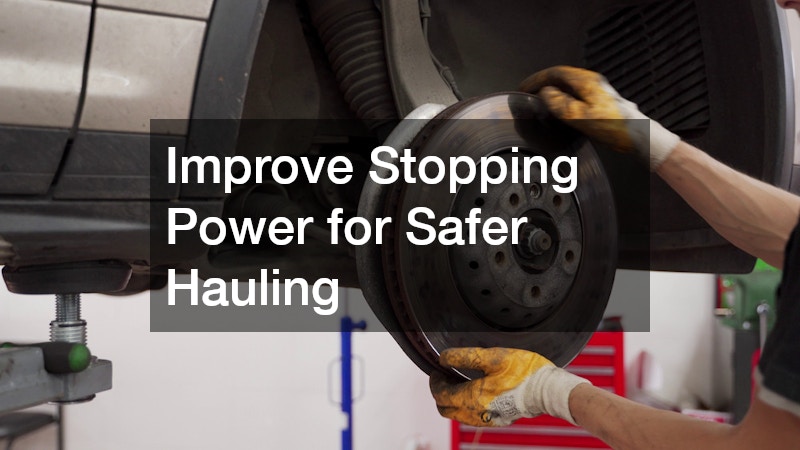
A reliable work truck must be able to stop safely, especially when it is carrying tools, materials, trailers, or equipment. Added weight changes how the truck handles and increases stopping distance. That makes the braking system one of the most important areas to inspect and maintain.
Check the brakes regularly, including pads, rotors, calipers, drums, shoes, lines, and fluid. Squealing, grinding, pulsing, pulling, or a soft pedal can indicate a problem. Brake fluid should also be inspected because old or contaminated fluid can reduce performance and lead to corrosion inside the system. For trucks used in demanding conditions, standard service intervals may not be enough. More frequent inspections may be needed.
Payload and towing habits should guide brake choices. A truck used for daily hauling may benefit from heavy-duty pads and rotors designed to handle heat better. Heat buildup can cause brake fade, which reduces stopping power during repeated or heavy braking. Choosing components made for work use helps the truck remain safer and more predictable.
Tires are just as important as the braking system. Even the best brakes cannot perform well if the tires lack traction or are not rated for the load. A reliable tire dealer can help match the truck with tires suited for its work environment. Highway driving, mud, gravel, construction sites, snow, and towing all require different tire features.
Load rating matters. Tires that are not rated for the truck’s actual workload can wear quickly, overheat, or fail. Proper inflation is also critical. Underinflated tires increase heat and reduce fuel economy, while overinflated tires can reduce traction and cause uneven wear. Regular rotations, balancing, and alignments help extend tire life and keep the truck stable on the road.
Together, the braking system and tires form the truck’s main safety system. Keeping both in strong condition helps protect the driver, cargo, equipment, and everyone else on the road.
Protect the Truck Bed From Daily Wear and Tear
The bed of a work truck takes constant abuse. It may carry lumber, tools, machinery, landscaping materials, scrap, ladders, fuel cans, and heavy equipment. Without protection, the bed can quickly become scratched, dented, rusted, and difficult to keep organized. Protecting this area helps preserve the truck’s value and usefulness.
Truck bed liners are one of the most effective ways to reduce damage. Spray-in liners create a textured protective layer that bonds to the bed surface, helping prevent scratches, dents, and corrosion. Drop-in liners are another option and can offer strong impact protection, though moisture can sometimes become trapped underneath if the liner does not fit well. The right choice depends on budget, work conditions, and how the truck is used.
For trucks that carry tools or materials that slide around, surface grip matters. A liner can help keep cargo more stable and reduce damage to both the bed and the items being transported. It also makes cleanup easier after hauling dirt, mulch, debris, or wet materials.
Truck bed covers add another layer of protection. They help shield cargo from rain, snow, sun, and theft. Soft covers may work well for lighter use, while hard folding or retractable covers provide more security. Contractors who store valuable tools in the bed may need a cover that locks and works with toolboxes or storage systems.
Protection should also include good loading habits. Use ramps when moving heavy equipment, secure cargo with tie-downs, and avoid dropping sharp or heavy items directly into the bed. Drainage holes should stay clear so water does not collect. Regular cleaning also helps prevent corrosion, especially in areas where road salt, chemicals, or wet materials are common.
A protected bed makes the truck more useful every day and helps prevent the kind of wear that shortens its working life.
Upgrade Capability Without Sacrificing Reliability
Many truck owners add upgrades to improve ground clearance, off-road access, towing support, or appearance. These changes can be useful, but they must be chosen carefully. A work truck should remain dependable, stable, and safe after any modification.
A truck lift kit can help when the vehicle needs extra clearance for rough job sites, rural roads, deep ruts, or larger tires. However, lifting a truck changes more than height. It can affect steering angles, suspension geometry, braking feel, ride quality, and driveline alignment. If the lift is too aggressive or poorly installed, it may create vibration, uneven tire wear, or premature component failure.
Before lifting a work truck, consider the actual job requirements. A mild lift may be enough for better clearance without creating major mechanical changes. Larger lifts may require additional parts, such as upgraded shocks, control arms, steering components, brake line extensions, or alignment adjustments. Professional installation is important because small errors can create long-term reliability problems.
The driveshaft should also be considered when modifying ride height or adding powertrain changes. When angles change, vibrations may appear during acceleration or at highway speeds. These vibrations can damage joints, bearings, seals, and other drivetrain components over time. In some cases, the shaft may need to be adjusted, replaced, or balanced to match the new setup.
Capability upgrades should match the truck’s real workload. Larger tires may look appealing, but they can reduce fuel economy, affect gearing, and increase strain on the suspension and brakes. Heavy bumpers, winches, racks, and tool systems also add weight. Every upgrade should be evaluated for how it affects payload, towing, handling, and daily reliability.
The goal is not to avoid modifications. The goal is to choose upgrades that support the truck’s work rather than create new problems.
Protect Your Truck From Daily Wear on the Job
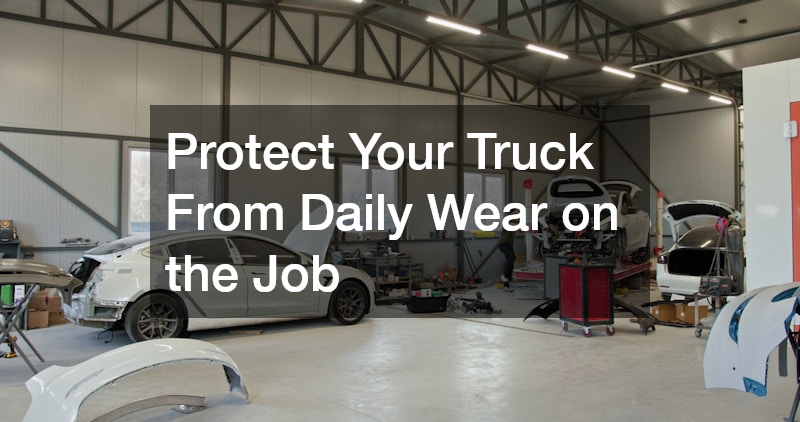
A work truck does not need to be involved in a collision to need exterior attention. Daily use can lead to scratches, dents, chipped paint, rust, damaged bumpers, and worn panels. These issues may seem minor at first, but they can affect the truck’s long-term value and, in some cases, its structural condition.
Inspect the body regularly, especially after hauling materials, driving through brush, working around equipment, or visiting rough job sites. Small paint chips can expose bare metal. Once moisture reaches that area, rust can begin. Rust often spreads under paint before it becomes obvious, so early touch-up and repair are important.
An auto body shop can help with more than crash damage. It can address dents, panel issues, paint damage, rust repair, bumper replacement, and protective coatings. For trucks used in harsh environments, body protection is part of reliability. A truck with serious rust around wheel wells, rocker panels, bed supports, or mounting points may become harder and more expensive to repair over time.
Exterior care also matters for businesses that rely on professional appearance. A truck used for service calls or client-facing work represents the company. While appearance is not the same as mechanical reliability, a clean and well-maintained vehicle helps support trust. It also makes it easier to spot leaks, damage, and wear before they worsen.
Preventative steps can reduce exterior damage. Wash the truck regularly, especially after exposure to salt, mud, chemicals, or construction debris. Use mud flaps, protective films, bed protection, and proper cargo restraints. Avoid letting tools and materials strike the cab or bed sides during transport.
Keeping the body in good condition helps the truck last longer and supports both safety and resale value.
A Better Work Truck Is Built Over Time

Building a reliable work truck is an ongoing process. It starts with a solid foundation, continues with smart mechanical choices, and depends on consistent maintenance. The most dependable trucks are not always the newest or most heavily modified. They are the ones that receive regular attention, quality repairs, and upgrades that match the work they are expected to perform.
Every part of the truck matters. Power, stopping ability, storage protection, exterior condition, load handling, and daily inspections all work together. When one area is ignored, the rest of the vehicle can suffer. A truck that is safe, organized, protected, and properly maintained can support years of steady work.
Reliability also comes from planning ahead. Instead of waiting for parts to fail, work truck owners should inspect often, repair early, and keep accurate records. This reduces downtime, improves safety, and helps control long-term costs. For anyone who depends on a truck to earn a living, those habits are not optional. They are part of building a vehicle that is ready for the next job, the next load, and the next long day on the road.