How to Navigate Vehicle Damage and Personal Injury Recovery
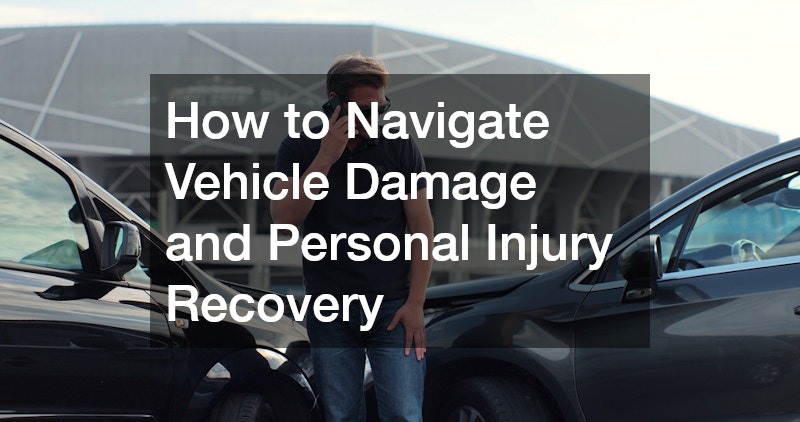
The immediate aftermath of a motor vehicle collision is a storm of confusion, adrenaline, and stress. One moment you are driving normally, and the next, you are facing a chaotic reality of medical pain, property damage, missed work, and an endless barrage of phone calls from insurance adjusters. For most people, this is completely uncharted territory. You find yourself simultaneously trying to heal from physical injuries while orchestrating the complex task of getting your primary mode of transportation back on the road.
The crucial thing to understand early on is that physical recovery and vehicle recovery are two parallel tracks that require strategic, systematic action. Treating them as separate silos or letting insurance companies rush you through either process can cost you dearly in both health and financial compensation. Navigating this journey successfully means understanding your rights, documenting everything meticulously, and knowing when to bring in the right professionals. Here is your comprehensive guide to protecting your well-being, securing fair financial recovery, and restoring your vehicle safely.
As you navigate through the aftermath of a collision, it’s essential to prioritize your well-being. Seek medical attention promptly, even if injuries seem minor at first, as some symptoms may emerge later. Keep thorough records of all medical visits, treatments, and expenses, as they play a crucial role in your claim process. Additionally, communicate openly with your insurance company, but remember to consult with legal or insurance professionals if you’re uncertain about any aspect of your situation. Taking the time to educate yourself and approach both recovery paths methodically not only enhances your chances of a full recovery but also ensures you are fairly compensated for the repercussions of the accident.
Priority One: Managing Immediate Medical Needs and Physical Recovery
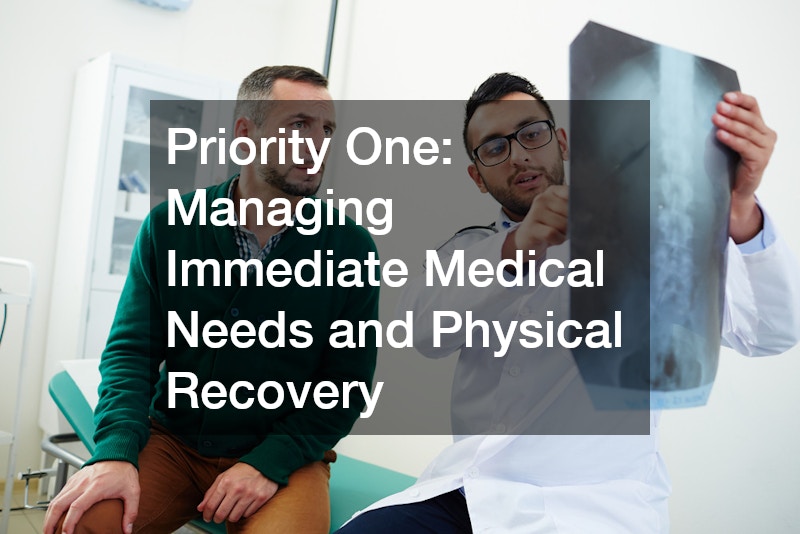
When the dust settles after a crash, your first and most important priority is your physical health. The adrenaline rush following an impact can mask severe pain, making it easy to brush off symptoms in the immediate aftermath. Ignoring early warning signs or delaying medical evaluation can lead to chronic health complications and severely compromise any future insurance claims.
Seek Medical Care Immediately to Document Hidden Injuries
Many of the most common post-collision injuries—such as whiplash, soft-tissue tearing, concussions, and hairline fractures—do not present agonizing symptoms immediately. It can take hours or even days for inflammation to set in and stiffness to peak. Visiting an emergency room, urgent care center, or your primary physician right away serves a dual purpose:
- Health Protection: It ensures internal bleeding, traumatic brain injuries, or spinal trauma are diagnosed and treated before they escalate.
- Legal Documentation: It establishes a clear, undeniable “chain of causation” between the motor vehicle accident and your physical symptoms. Insurance adjusters look for gaps in medical treatment; a prompt initial visit closes that loophole.
Incorporate Specialized Musculoskeletal Care for Soft-Tissue Healing
Once acute trauma is ruled out, targeted rehabilitation becomes essential for full recovery. Soft-tissue injuries often involve micro-tears in muscles, tendons, and ligaments supporting the spine and joints. Working with a local car accident chiropractor who understands the specific biomechanics of crash impacts can make a massive difference. These specialists focus on restoring spinal alignment, reducing nerve compression, and eliminating chronic neck and back stiffness. Furthermore, they track your functional progress and maintain the rigorous, detailed medical records that insurance companies and legal representatives require to substantiate your personal injury claim.
Protecting Your Legal Rights and Financial Claim
As you focus on healing your body, you will quickly find that insurance companies are moving with a very different agenda. Their primary goal in any claim is to minimize payout liabilities, often using aggressive tactics that take advantage of an injured, overwhelmed policyholder.
Avoid Common Insurance Traps and Early Settlement Offers
It is standard practice for opposing insurance adjusters to reach out within days of an accident, offering a fast, seemingly generous cash settlement. They frame this as a helpful gesture to get money in your hands quickly. In reality, these early offers are designed to lock you into a release of liability before you even know the full scope of your medical expenses or long-term prognosis. Never sign a release, provide a recorded statement, or hand over blanket medical authorization waivers without fully understanding how they can be used to devalue your claim.
It’s crucial to remember that your health and recovery should be your top priority. Taking the time to assess your injuries and consult with medical professionals can help clarify the extent of your condition. Insurance companies often rely on the urgency of your situation to push for quick settlements, knowing that many people may be overwhelmed and eager to accept any help. So, before making any decisions, consider speaking with a personal injury attorney who can guide you through the process and ensure your rights are protected. Your future well-being may depend on it.
Consult Legal Experts to Evaluate the Full Scope of Damages
A fair financial recovery goes far beyond your immediate emergency room bill. It must account for future physical therapy, lost wages, diminished earning capacity, medical equipment, and the non-economic toll of pain and suffering. Determining what constitutes a fair settlement requires professional insight. Partnering with an experienced accident attorney allows you to shift the burden of negotiation away from yourself while you heal. In more complex scenarios—such as multi-vehicle pileups, commercial truck collisions, or disputed liability—retaining dedicated car accident attorneys ensures that investigators are deployed, black-box data is preserved, and your rights are aggressively protected against corporate legal teams.
Assessing Vehicle Damage and Navigating Insurance Estimates

While your physical recovery takes center stage, your damaged vehicle needs immediate attention. Insurance companies will often try to steer you toward their network of “preferred repair facilities” with promises of quick turnaround times. However, navigating this process requires a firm understanding of your consumer rights.
Know Your Right to Choose an Independent Repair Facility
In most jurisdictions, you are legally entitled to choose wherever your vehicle is towed and repaired. Insurance preferred shops have financial agreements with the insurance provider to keep repair costs low, which can sometimes result in rushed work, aftermarket parts usage, or overlooked structural damage. Always request an independent evaluation. Compare the insurance adjuster’s initial estimate line-by-line against a trusted mechanic’s assessment to catch hidden mechanical issues, electrical harness damage, or bent subframes that an initial drive-by inspection missed.
Secure Professional Legal Representation for Disputed Claims
When insurance companies lowball your property damage payout, declare your car a total loss unfairly, or drag their feet on processing claims, the stress multiplies. If your insurer refuses to cover OEM (original equipment manufacturer) parts or attempts to deny coverage for diminished value—the loss in market resale value your car suffers simply by having an accident history on record—it is time to escalate. Retaining specialized accident and injury lawyers who handle property damage alongside personal injury claims ensures that every facet of your financial loss is litigated or negotiated as a unified package.
Vehicle Restoration: Critical Mechanical and Structural Repairs
A modern automobile is a complex assembly of high-strength steel, computerized sensors, wiring harnesses, and precision mechanical systems. Simply hammering a body panel back into place and slapping on a coat of paint is no longer enough to make a car safe.
Prioritize Frame Alignment and Diagnostic Inspection
Modern unibody vehicles are engineered with crumple zones designed to absorb kinetic energy during an impact, protecting the cabin. Once those zones deform, the vehicle’s structural integrity is compromised. Choosing a certified collision repair shop equipped with computerized frame-measuring systems, laser-guided alignment racks, and manufacturer-approved welding equipment is non-negotiable. If a frame is out of alignment by even a fraction of a millimeter, it can cause erratic handling, uneven tire wear, and catastrophic failure during a secondary collision. Furthermore, electronic sensors embedded in bumpers, windshields, and door panels must be digitally recalibrated to ensure advanced driver-assistance systems (ADAS) function properly.
Restore Vital Drive Systems and Heavy Mechanical Components
Impact forces travel through the entire vehicle, frequently causing unseen damage to the engine mounts, transmission housing, drive shafts, and steering racks. Fluid leaks following a collision should never be ignored. If you notice gear slippage, delayed acceleration, or unusual grinding noises after a crash, it points to deep mechanical trauma. Complex drivetrain rebuilds and complete transmission repair require specialized diagnostic tools, cleanroom assembly environments, and master technicians who can guarantee that internal gear assemblies and hydraulic control units are entirely free of microscopic metal shavings or stress fractures.
Restoring Braking, Suspension, and Safe Mobility
Before you even think about driving your vehicle back onto public highways, critical safety subsystems must be inspected and restored to factory specifications. A car that looks fine on the outside can still be a lethal hazard on the road if its underpinnings are compromised.
Inspect and Replace Damaged Safety Systems Before Driving
The braking system takes a tremendous amount of stress during panic-stop situations, leading up to a collision. Impact shockwaves can warp brake rotors, crack calipers, compromise hydraulic fluid lines, and damage anti-lock braking system (ABS) wheel-speed sensors. Ensuring a thorough brake replacement or hydraulic overhaul is performed guarantees that your stopping distances match factory safety ratings. Never compromise on brake components; your life depends on them functioning perfectly the first time you need to slam on the pedal in an emergency.
Ensure Complete Underbody Inspections During Repairs
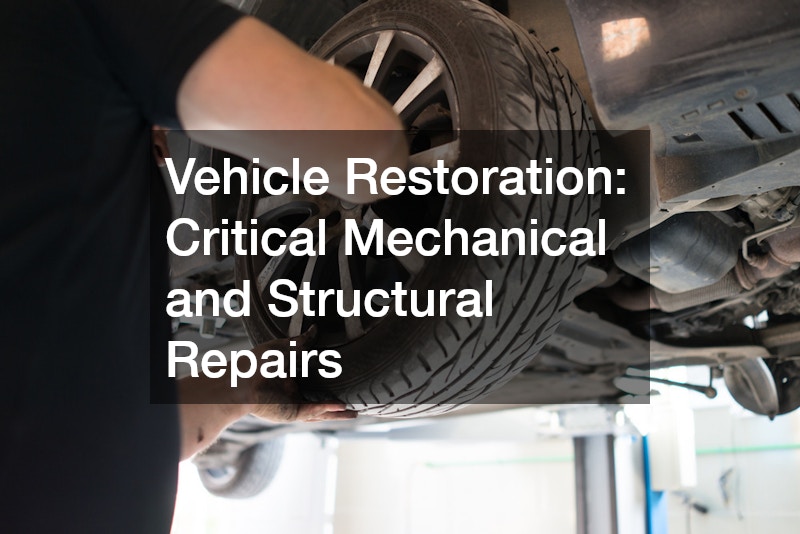
Because much of a car’s suspension and steering geometry sits below the chassis, visual inspections from ground level are inadequate. Technicians must elevate the vehicle securely using a heavy-duty car lift to thoroughly examine control arms, tie rods, struts, coil springs, and the unibody subframe. Hairline stress fractures in aluminum suspension components can easily go unnoticed until they snap at highway speeds, resulting in a complete loss of steering control. A comprehensive underbody lift inspection ensures that every bolt, bushing, and structural joint is sound.
Managing Daily Life During the Recovery Process
Having your vehicle in the shop for weeks while you are dealing with medical appointments creates a logistical nightmare. Managing daily responsibilities requires leveraging available resources and keeping meticulous records of your progress.
Maintain Mobility While Your Vehicle and Body Heal
Navigating temporary transportation while your primary car is out of commission depends heavily on your auto insurance policy coverage or the at-fault driver’s liability limits. Review your policy for rental car reimbursement clauses. If you do not have rental coverage and the other driver is liable, their insurer is generally responsible for providing comparable alternate transportation. For individuals dealing with severe physical injuries who cannot drive safely, utilizing specialized auto repair services that offer courtesy pick-up and drop-off, or relying on third-party Transportation services—such as medical rideshares or specialized transit covered under your Personal Injury Protection (PIP) policy—can keep your life moving forward without jeopardizing your physical rehabilitation.
Keep Meticulous Records of All Expenses and Symptoms
The single most common reason personal injury and property damage claims fall short is poor record-keeping. Treat your recovery as an administrative project:
- Medical Binder: Keep every doctor’s note, physical therapy invoice, prescription receipt, and diagnostic imaging CD in one organized folder.
- Expense Tracking: Save receipts for every out-of-pocket cost, including parking fees at medical centers, rideshare fares, and over-the-counter medical supplies.
- Daily Pain Journal: Write down a brief, honest summary of your pain levels, mobility limitations, and how your injuries are impacting your ability to work, sleep, and enjoy life.
Conclusion
Recovering from a motor vehicle collision is a marathon, not a sprint. It demands patience, resilience, and a balanced approach that addresses both your physical well-being and your material losses. Rushing through your physical rehabilitation or accepting a quick, lowball settlement from an insurance adjuster can leave you dealing with chronic physical pain and uncompensated financial burdens long after the wreckage has been cleared away.
Take control of the process step-by-step. Prioritize your health by seeking immediate medical attention and specialized care. Protect your financial future by understanding your rights and refusing to let insurance companies dictate your terms. Ensure your vehicle is restored with meticulous attention to structural and mechanical safety before getting back behind the wheel. By staying organized, informed, and proactive, you can successfully navigate the aftermath of a crash and reclaim your peace of mind.