Common Reasons to Visit an Auto Mechanic

The modern automobile is an absolute marvel of engineering, seamlessly integrating thousands of rapidly moving mechanical parts, precise computational networks, and high-stakes safety systems. For the overwhelming majority of people, a personal or commercial vehicle represents a vital asset, the primary engine driving daily productivity, family logistics, and long-distance connectivity. However, because a car operates under conditions of continuous thermal variation, extreme mechanical friction, and constant exposure to harsh external environments, it exists in a perpetual state of gradual degradation.
Far too many drivers view a trip to an automotive service center as a frustrating task to be delayed for as long as possible, only crossing the shop threshold when a major component suffers a catastrophic failure. This crisis-driven approach to vehicle ownership is an incredibly expensive mistake. Deferring basic service lines does not save money; instead, it allows minor anomalies to expand into devastating drivetrain breakdowns, introduces severe safety liabilities on the highway, and destroys the residual resale value of the asset. To maintain an ironclad standard of reliability and absolute driving confidence, you must shift your perspective from reactive crisis control to proactive, engineering-focused vehicle maintenance. This guide breaks down the critical mechanical, diagnostic, and structural thresholds where partnering with a certified auto mechanic is essential to safeguard your automotive capital and ensure your vehicle delivers flawless performance for decades to come.
Preserving Drivetrain Longevity and Fluid Integrity
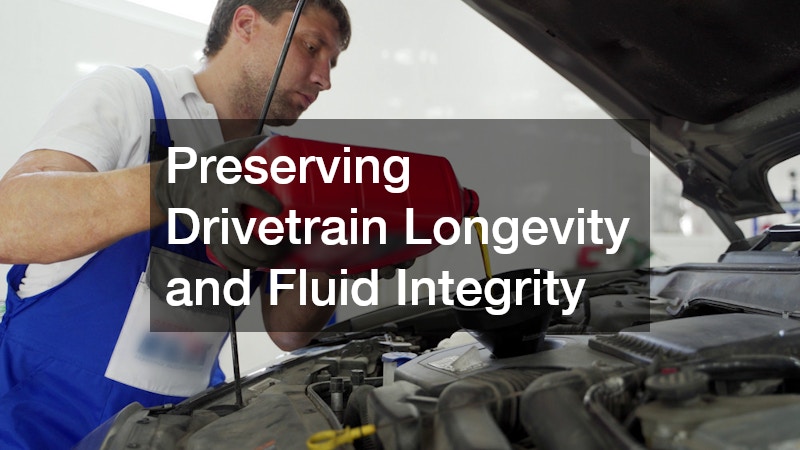
The beating heart of any automobile is its internal combustion engine or localized electric drivetrain. Inside a traditional motor block, components move at thousands of revolutions per minute under conditions of extreme heat and pressure. The single most vital element protecting these metal surfaces from destroying themselves via frictional wear is the motor oil. Over miles of continuous operation, however, engine oil is subjected to immense thermal shear, chemical oxidation, and a steady influx of microscopic soot, raw fuel blow-by, and atmospheric moisture particles.
Once motor oil hits its chemical degradation threshold, it loses its viscosity, stops holding contaminants in suspension, and begins forming thick, tar-like sludge deposits that clog vital oil passages. To prevent this internal destruction, scheduling a professional, mileage-based oil change using exact factory-specified synthetic weights is the single most critical task a vehicle owner can perform. During these routine diagnostic intervals, an expert mechanic will look far beyond the fluid reservoir itself. They possess the training to spot early anomalies in auxiliary belts, cooling lines, and ignition systems. Recognizing when a vehicle must transition from simple maintenance into targeted auto repairs allows you to catch premature valvetrain defects, electronic sensor glitches, or transmission slip patterns long before they leave you stranded on a dangerous highway shoulder.
- Track oil life metrics accurately: Avoid relying on generic windshield stickers; instead, monitor your dashboard’s automated oil-life algorithm alongside manual dipstick checks to evaluate true fluid clarity.
- Insist on factory-spec filters: Cheap, low-tier oil filters frequently collapse under high-pressure cycles, letting unfiltered grit cycle back into the engine block.
- Audit secondary fluids concurrently: Utilize every fluid servicing window to inspect the health and levels of your power steering fluid, transaxle lubricants, and engine coolants.
Optimizing Cabin Climate Controls and Thermal Systems
An automobile’s passenger cabin is far more than a simple seating space; it is an enclosed environmental capsule designed to maintain operator comfort, protect delicate dashboard electronics, and prevent driver fatigue. The core system driving this environmental stabilization is the pressurized air conditioning loop. This thermodynamic circuit relies on a precise balance of refrigerant gas, specialized lubricants, and mechanical compression to draw heat out of the interior and vent it into the atmosphere.
When a vehicle’s climate controls begin blowing weak, tepid, or foul-smelling air, it is a clear warning that the underlying thermal systems have suffered a structural compromise. Because automotive AC units operate under continuous road vibrations, the system’s high-pressure seals, rubber lines, and aluminum condenser cores can easily develop microscopic fractures. Resolving a complex auto AC problem requires advanced diagnostic equipment capable of pulling a deep vacuum on the loop, isolating the leak point, and recharging the exact weight of R-134a or eco-friendly R-1234yf gas without venting toxins into the atmosphere. To complement this internal refrigeration loop and protect your cabin from the intense solar greenhouse effect, progressive vehicle owners frequently upgrade their vehicle’s greenhouse glass. Securing professional car tinting using multi-layer, non-conductive ceramic films blocks up to ninety-nine percent of solar infrared heat and dangerous ultraviolet rays, drastically lowering the thermal load on your compressor and boosting fuel economy.
- Replace the cabin air filter routinely: Change the internal cabin filter every fifteen thousand miles to keep your airflow lines free of mold spores, road dust, and organic debris.
- Run the compressor loop in winter: Switch on your vehicle’s air conditioning system for ten minutes during winter defrost cycles to keep internal compressor seals properly lubricated with internal system oil.
- Check the evaporator drain line: Ensure your vehicle’s localized condensate drain line remains completely clear of debris to prevent water from backing up and flooding passenger-side floorboard wiring looms.
Structural Renovation and Post-Impact Body Realignment
Driving on modern roadways introduces the continuous risk of physical impacts, ranging from low-speed parking lot bumps to high-velocity highway collisions. When a vehicle sustains a physical impact, the damage is rarely completely superficial. Modern vehicles are engineered with complex structural crumple zones designed to sacrifice the external frame steel to absorb and redirect intense kinetic impact forces completely away from the passenger cabin.
Even after a seemingly minor impact that leaves only a dented bumper or a misaligned fender, the underlying unibody frame rails may have suffered a minor structural twist. Operating a vehicle with a twisted or unaligned frame causes rapid, uneven tire destruction, disrupts automated stability controls, and leaves the car entirely incapable of protecting you in a secondary crash. Overcoming these hidden dangers requires a visit to an advanced facility specialized in comprehensive auto body repair. Technicians utilize multi-axis laser measuring systems to pull and secure the underlying structural steel back into millimeter-level factory specifications. For vehicles that have endured severe macro-structural impacts, managing the reconstruction requires an even higher level of specialized care. Undergoing certified collision repairs is mandatory to safely reset deployed supplemental restraint systems, replace deformed energy-absorbing structural bars, and meticulously recalibrate advanced driver assistance system radars.
- Insist on unibody structural verification: Always demand a computerized frame alignment printout showing that the vehicle’s primary unibody reference points match factory data exactly.
- Inspect the interior structural welds: Verify that any replacement body panels are joined using factory-spec spot welding protocols rather than cheap panel adhesives that compromise structural integrity.
- Recalibrate safety cameras immediately: Ensure that forward-facing safety cameras and blind-spot radar modules are electronically re-indexed following any structural realignments.
Engineering Absolute Optical Clarity and Exterior Shell Protection
A vehicle’s primary defense against the physical elements and the absolute baseline for safe operational navigation sits within its exterior glass envelope and its factory clearcoat finish. The windshield of a modern car is not a simple windshield; it acts as a primary structural safety element that supports the roof structure during a vehicle rollover and provides the critical backing surface for passenger airbag deployments.
Because automotive glass is a high-stress structural element, ignoring a minor stone chip or a tiny star fracture is an incredibly dangerous gamble. The continuous temperature changes of the cabin alongside basic road friction will rapidly cause a small chip to spread into a massive fracture across your viewing angle. Restoring this optical perimeter requires an auto mechanic specialized in advanced auto glass replacement, who can safely extract the fractured panel and seal a replacement unit using high-tensile structural polyurethane adhesives that meet rigid federal safety standards. Once your visual clarity is fully restored, you must focus on defending your vehicle’s exterior metal shell against environmental corrosion. Exposure to bird droppings, acid rain, ultraviolet rays, and harsh winter road salts will rapidly oxidize factory paint, causing premature clearcoat failure and structural rust development. Implementing high-end auto paint protection options, such as advanced nanotechnology ceramic coatings or high-durability thermoplastic polyurethane paint protection films, creates an absolute barrier that isolates the paint from micro-scratches and maintains a pristine finish for years.
- Repair windshield rock chips immediately: Utilize advanced resin-injection systems to fix minor glass chips before changing internal cabin temperatures cause them to crack permanently.
- Avoid ammonia-based glass cleaners: Clean internal glass using strictly ammonia-free compounds to prevent the bubbling, peeling, or chemical degradation of internal window films.
- Isolate clearcoat surfaces from chemical staining: Clean off bird droppings, insect matter, and tree sap within twenty-four hours to prevent these acidic elements from etching into the factory clearcoat.
Overcoming Security Lockouts and Managing Auxiliary Utility Logistics

Modern vehicles utilize complex digital electronic security architectures to prevent theft and hot-wiring. Vehicle keys are no longer simple pieces of cut metal; they are sophisticated electronic transponders that communicate with the vehicle’s engine control module via encrypted rolling security codes. While this technology has drastically reduced automotive theft, it introduces a major operational bottleneck when internal key fobs experience a critical electronic failure or drivers find themselves dealing with the high-stress scenario of lost car keys.
When an administrative access failure occurs, attempting to force entry into a modern door using crude wire hangers will scratch exterior paint, bend internal lock rods, and inadvertently deploy side-curtain airbags. Professional automotive technicians possess the specialized software to bypass lock cylinders safely and connect advanced diagnostic program computers directly to your car’s OBD-II port. This specialized link allows them to safely clear old security data and program a completely fresh set of replacement keys without damaging fragile internal electrical modules. Finally, a significant reason to visit an auto service center involves managing the unique mechanical pressures experienced by auxiliary towing platforms. If your business or lifestyle relies on trailing gear to haul heavy cargo, boats, or construction equipment, you cannot afford to neglect that secondary hardware. Scheduling regular inspections for specialized trailer services ensures that heavy-duty wheel bearings are properly repacked with grease, structural tongue welds are audited for stress fractures, and electronic brake controllers are fully calibrated to provide reliable stopping power on steep road descents.
- Maintain a secondary programmed key fob: Always store a functional duplicate transponder key in a secure location outside the vehicle’s proximity sensors to completely avoid emergency lockout fees.
- Service trailer wheel bearings annually: Repack auxiliary trailing hubs with high-temp marine grease every twelve months to prevent wheel bearing seizures on high-speed interstate routes.
- Execute pre-trip trailer safety loops: Always verify the functional connectivity of auxiliary brake light harnesses and safety breakaway chains before coupling a heavy load to your tow vehicle.
Navigating the complexities of modern vehicle ownership requires a disciplined commitment to predictive maintenance, professional diagnostics, and strict asset preservation. As detailed across this comprehensive guide, keeping a vehicle in a reliable, safe, and highly efficient operating state is never a matter of luck or casual adjustment. It is a direct reward captured by drivers who treat their vehicles with the respect demanded by advanced machinery, ensuring timely engine lubrication, optimizing cabin thermal systems, verifying unibody alignment after structural impacts, and securing advanced glass and paint protection layers. By managing these technical variables proactively, you completely insulate yourself from sudden road failures and eliminate the severe financial shocks of major component replacements.
As you move forward to direct your vehicle’s maintenance schedule, choose to step away from a passive, crisis-driven routine. Do not wait for a minor dashboard warning light to turn into an active engine failure, for a tiny windshield chip to shatter across your field of view, or for a slow-leaking climate loop to fail during a severe summer heat wave. Take active command of your automotive investments this week: compile an itemized log of your vehicle’s past maintenance history, verify the condition of your critical safety systems, audit your external paint and glass perimeters, and build a relationship with a certified automotive technician. By taking complete charge of your vehicle’s mechanical and operational health today, you protect your hard-earned capital, maximize your car’s physical operational lifespan, and ensure a safe, flawless driving experience across every single mile of the open road ahead.