How to Lower Your Risk of Car Accidents and What to Do When You’re in One

Every time you slide behind the wheel, slide your keys into the ignition, or push the start button, you are taking on a massive responsibility. A routine daily commute or a quick run to the grocery store can change in a fraction of a second. While modern vehicles are packed with more safety technology than ever before, traffic accidents remain an unfortunate reality of modern life. Distracted driving, unpredictable weather, and mechanical failures contribute to millions of crashes every year.
Crucial Inspections to Keep Your Vehicle Responsive in an Emergency
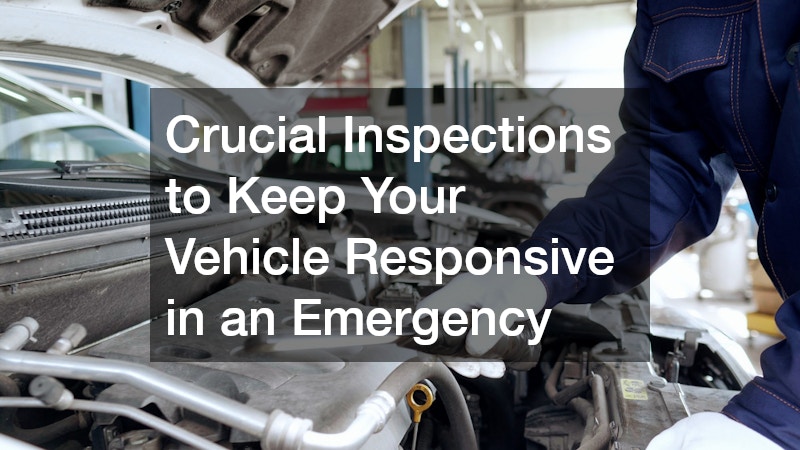
Preventing a catastrophic accident begins long before you back out of your driveway. Your car is a complex machine, and its ability to stop quickly or swerve safely depends entirely on its mechanical health. When a dangerous situation arises on the highway, you need to know without a shadow of a doubt that your vehicle will respond instantly to your inputs.
Regular maintenance is the foundation of defensive driving. Failing to inspect your vehicle can lead to catastrophic failures, such as brake loss or steering lockups, at the worst possible moments. To keep your vehicle operating at peak safety performance, prioritize the following preventative measures:
-
Brake System Evaluations: Your brakes are your primary line of defense. Have your brake pads, rotors, and fluid levels checked regularly. If you hear squealing, feel a spongy pedal, or experience steering wheel vibrations when slowing down, get your vehicle inspected immediately.
-
Fluid and Fluid Line Checks: Low steering fluid or a leaking brake line can cause a sudden loss of vehicle control.
-
Visibility Integrity: Replace worn, streaking wiper blades every six months and immediately repair any windshield chips or cracks that could obscure your vision or compromise the structural strength of the glass.
To ensure these systems are flawless, it is highly beneficial to build a relationship with a certified mechanic who can perform routine multi-point inspections. A trusted professional will catch minor issues, like a fraying belt or a leaking line, before they transform into a dangerous mechanical failure at sixty miles per hour. Furthermore, staying on top of scheduled vehicle compliance, such as a state-mandated emissions test, serves as an excellent benchmark for overall engine health. An engine that runs efficiently is far less likely to stall or lose power unexpectedly in the middle of heavy, fast-moving traffic.
Maximizing Traction to Prevent Hydroplaning and Skids
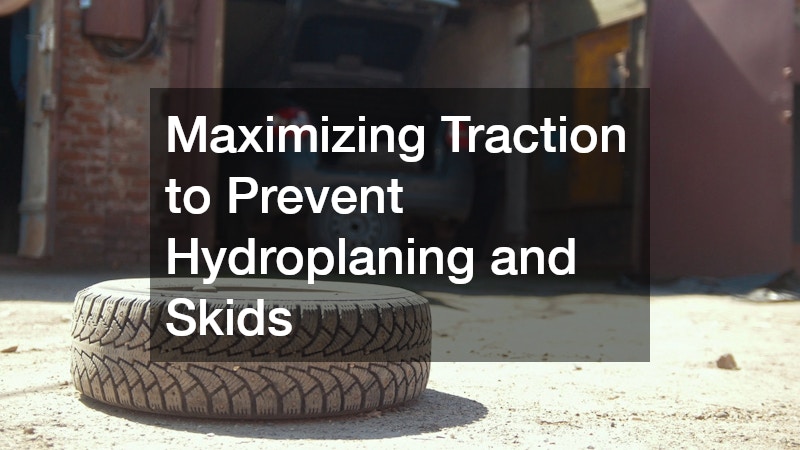
Your tires are the only part of your vehicle that actually makes contact with the road. The total surface area of your tires touching the pavement at any given moment is roughly equal to the size of four human shoes. If that tiny patch of rubber loses its grip, all the advanced braking and steering technology in the world cannot save you from a slide.
Maintaining proper tire health is critical for navigating wet roads, avoiding debris, and executing emergency maneuvers. To maximize your traction and stay firmly planted on the asphalt, follow these essential tire safety protocols:
-
The Penny Test for Tread Depth: Insert a penny head-first into your tire tread grooves. If you can see the top of Abraham Lincoln’s head, your tread is dangerously low, and your vehicle will struggle to dispel water on wet roads.
-
Routine Pressure Inspections: Tires naturally lose air over time, and sudden drops in ambient temperature can cause tire pressure to plummet. Under-inflated tires suffer from sluggish handling and are highly prone to dangerous high-speed blowouts. Check your pressure monthly using a reliable gauge.
-
Tire Rotations and Balances: To ensure even wear across all four wheels, rotate your tires every 5,000 to 7,500 miles. Uneven wear patterns reduce overall grip and can cause the vehicle to pull violently to one side during hard braking.
If your tires are bald, cracking along the sidewalls, or constantly losing air, do not delay taking action. Investing in a timely tire replacement is one of the single most effective decisions you can make to protect yourself and your passengers from a weather-related collision. New tires provide the deep grooves and pliable rubber required to channel water away from the wheel, effectively preventing the terrifying phenomenon of hydroplaning.
Mental Strategies for Anticipating Hazards Before They Happen

Vehicle maintenance is only half the battle; the driver’s mindset and behavior constitute the other half. Safe driving requires active participation, constant scanning, and the total elimination of distractions. Many drivers fall into the trap of driving complacently, assuming that because they are following the rules, everyone else will too.
To elevate your behind-the-wheel habits, you must learn to drive for the mistakes of others. By assuming that another driver might run a red light, change lanes without signaling, or brake suddenly, you give yourself the time and space needed to react. Implement these behavioral habits on every trip:
-
The Three-Second Buffer: Always maintain a minimum three-second following distance between your car and the vehicle in front of you. When weather conditions deteriorate or visibility drops, double this distance to six seconds or more.
-
Total Distraction Elimination: Put your smartphone on “Do Not Disturb” mode before putting the car in gear. Avoid eating, adjusting complex infotainment screens, or engaging in intense conversations that take your eyes off the road or your mind off driving.
-
Consistent Blind-Spot Management: Do not rely solely on your mirrors or electronic sensors. Always glance over your shoulder to verify that your blind spots are clear before changing lanes or merging onto the freeway.
If you want to truly master these concepts, consider enrolling in professional defensive driving classes. These structured courses teach advanced hazard recognition, spatial awareness, and techniques for recovering control of a vehicle during an unexpected skid. Many insurance companies also offer premium discounts to drivers who complete these programs, making it a win-win for both your physical safety and your wallet. Knowing you have high-quality home and auto insurance provides extra peace of mind, but preventing the crash entirely is always the ultimate goal.
Step-by-Step Actions to Protect Your Health and Legal Rights
The moments immediately following a car crash are chaotic, frightening, and filled with adrenaline. It is completely normal to feel disoriented, but what you say and do during this critical window will heavily dictate your physical recovery and your future financial liability. Having a clear, step-by-step protocol memorized can keep you grounded and protected.
Your immediate priority must always be safety. If the vehicles are drivable and causing a hazard to traffic, carefully move them to the closest shoulder or a nearby parking lot. Turn on your hazard lights immediately, step out of the vehicle only when it is safe to do so, and check yourself and your passengers for any immediate injuries. Once the physical environment is stable, execute the following steps systematically:
-
Call Emergency Services: Contact the police immediately, even for minor accidents. A formal police report provides an objective, third-party account of the event, which is essential for insurance claims and legal disputes.
-
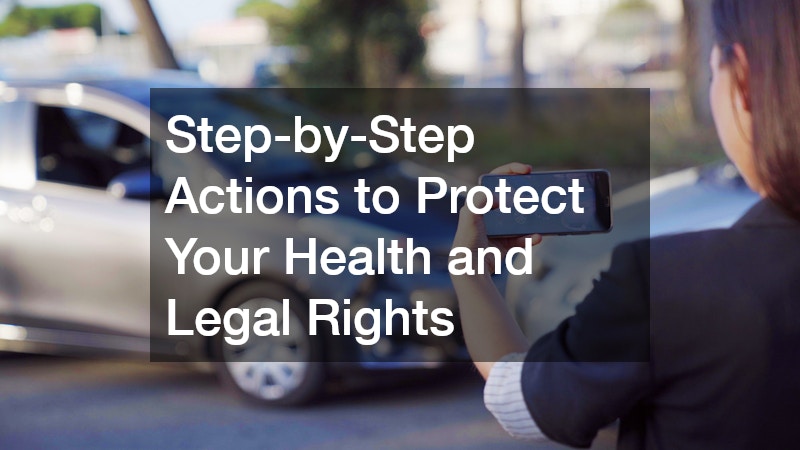
Document the Scene Thoroughly: Use your smartphone to take high-quality photos and videos of the entire scene. Capture the damage to all vehicles from multiple angles, the position of the cars relative to the roadway, skid marks, traffic signs, and current weather conditions.
-
Exchange Essential Information: Collect names, contact phone numbers, driver’s license numbers, and insurance policy details from all drivers involved. Gather contact information from any independent witnesses who stopped to help.
-
Watch Your Language: Avoid arguing with the other driver and never say “I’m sorry” or make statements that imply you were at fault. These emotional, polite reactions can be weaponized against you later by insurance adjusters.
As soon as the scene is secure and you have spoken with the police, it is incredibly wise to consult with a qualified automobile accident attorney. Insurance companies frequently try to minimize payouts or rush victims into lowball settlements before the true costs of the accident are known. Having a legal advocate on your side early ensures that your rights are fiercely protected, evidence is properly preserved, and you do not inadvertently say anything that compromises your claim.
Identifying Hidden Injuries and Restoring Your Mobility
In the immediate aftermath of a collision, your body floods your system with adrenaline and cortisol. This natural survival mechanism is designed to mask pain so you can escape danger. Because of this biochemical response, you might step out of a wrecked car feeling completely fine, only to wake up 24 or 48 hours later in debilitating pain.
Delaying a medical evaluation after a crash is a critical mistake that can jeopardize both your physical recovery and your financial compensation. Internal bleeding, brain trauma, and soft-tissue damage do not always show immediate outward symptoms. To protect your long-term health, incorporate these medical steps into your post-accident plan:
-
Seek an Immediate Medical Assessment: Go to an emergency room, urgent care clinic, or your primary care physician on the day of the crash, regardless of how you feel initially.
-
Look Out for Delayed Symptoms: Pay close attention to signs of whiplash, severe headaches, dizziness, numbness in your extremities, or cognitive difficulties in the days following the event.
-
Keep Impeccable Health Records: Request copies of all medical charts, diagnostic scans, prescriptions, and discharge summaries related to your accident care.
For injuries involving the spine, neck, and joints, traditional emergency room care often only rules out broken bones and sends you home with pain medication. To truly heal and restore your range of motion, you may need targeted therapy from an auto injury chiropractor. These specialized medical professionals understand the unique physics of an automotive impact and can create a customized treatment plan to address spinal misalignments, soft-tissue strains, and chronic inflammation, ensuring you recover fully without relying solely on long-term pharmaceutical solutions.
Choosing the Right Professionals to Get Your Car Safely Back on the Road
Once your health and legal rights are stabilized, you must address the physical state of your vehicle. A damaged car can be a source of immense stress, disrupting your ability to get to work, transport your family, and return to a normal daily routine. Navigating the repair process requires caution, as poor repair work can ruin your car’s resale value and leave you driving a structurally unsound vehicle.
Many insurance companies will try to steer you toward their own preferred repair networks to save themselves money. However, as the vehicle owner, you generally have the legal right to choose where your car is repaired. When selecting a repair facility, keep the following standards in mind:
-
Insist on Original Equipment Manufacturer (OEM) Parts: Whenever possible, demand that the shop use parts made directly by your vehicle’s manufacturer rather than cheap, third-party imitations that may not fit perfectly or meet original safety standards.
-
Verify Certifications: Look for facilities that hold recognized industry certifications, which indicate that the technicians undergo rigorous, ongoing training.
-
Request a Written Warranty: Reputable repair facilities will stand by their work with a lifetime warranty on structural repairs and paintwork for as long as you own the vehicle.
To ensure your vehicle is restored correctly, seek out an established facility that specializes in certified auto collision repair. Modern vehicles are built with highly advanced crumple zones designed to absorb impact energy and protect the cabin. If these components are repaired incorrectly, they may fail to protect you in a subsequent crash. A premium auto body shop will possess the specialized frame-alignment machinery and computerized paint-matching technology needed to restore your vehicle to its precise factory specifications, guaranteeing both your safety and your peace of mind when you finally get back behind the wheel.
How to Handle Insurance Adjusters and Seek Fair Compensation
The final stage of recovering from a car accident involves resolving the financial and legal claims. This process can easily stretch on for months, requiring you to negotiate with aggressive insurance adjusters whose primary job is to close your file for as little money as possible. Navigating this landscape alone can feel like a full-time job, especially while you are still trying to heal physically.
Insurance companies frequently use high-pressure tactics, asking for recorded statements before you fully understand the scope of your injuries, or offering quick, upfront checks that waive your right to pursue further compensation. To protect your financial future during negotiations, keep these strategies in mind:
-
Never Provide a Recorded Statement Without Legal Counsel: Adjusters can twist your words to shift blame onto you or minimize the severity of your injuries.
-
Calculate the Full Scope of Your Losses: Do not just look at your current bills. Account for future medical care, physical therapy, lost wages from missed work, property damage, and pain and suffering.
-
Keep Detailed Logs of All Communications: Document every phone call, email, and letter exchanged with the insurance companies, noting the date, time, and the name of the representative you spoke with.
If the insurance company refuses to offer a fair settlement, or if liability for the crash is being hotly contested, do not hesitate to step away from the negotiation table. Partnering with experienced local personal injury lawyers can completely change the dynamic of your case. Attorneys who operate within your specific community understand the regional traffic laws, know how local judges and juries view specific types of accidents, and are deeply familiar with the tactics utilized by regional insurance firms. They can handle the aggressive phone calls, gather expert witness testimony, and build a compelling case on your behalf, allowing you to focus entirely on putting your life back together.
Ultimately, road safety is a continuous journey that requires balanced preparation, consistent mindfulness, and the right support systems. While it is impossible to predict the actions of every other driver on the highway, maintaining a mechanically sound vehicle, preserving excellent traction, and committing to distraction-free driving will drastically tip the scales of survival in your favor.